
SHARE:
Why Japan should be on everyone’s bucket list!
Japan is a country that should be on everyone’s bucket list: soaring skyscrapers and electrified commerce contrast vividly with ancient temples and cherry blossoms to conjure a characteristic aesthetic that is instantly recognisable.
Whether you’re eager to explore its history and culture, indulge in diverse cuisine or zoom around on a lightning-fast bullet train, Japan has more than enough to offer to the keen traveller, with a tacit promise of unforgettable experiences.
Beautiful Castles & Temples
Visitors to Japan can delve into the country’s fascinating history and culture by experiencing the many extant castles and temples that adorn the land. There are an estimated 80,000 temples and shrines in Japan of all sizes and some are over 1,000 years old! Not only that, but Japan is home to 23 UNESCO World Heritage Sites!
Some of the most impressive of this abundance include the Byodoin Buddhist temple in Uji, which dates back over a thousand years, the Toji temple in Kyoto, which boasts the tallest wooden pagoda in Japan and an extensive garden full of cherry trees, and the well-reserved Hikone Castle, an Edo-period structure with a unique appearance combing multiple architectural styles.
Pristine Natural Beauty
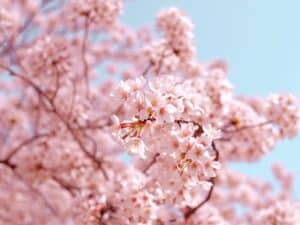
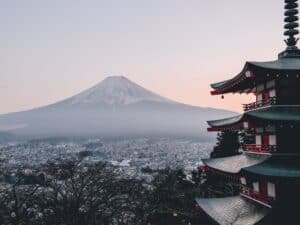
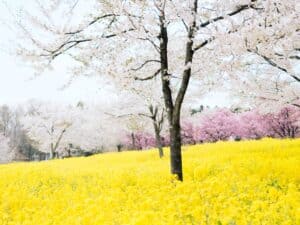
While many may picture Japan as a modern, technological marvel – with glistening cities of luminescence and glass skyscrapers soaring above (mainly thanks to Tokyo), the majority of Japan is textured with forested hills and mountains!
With some of the most unique natural scenery in the world, Japan is a nature lover’s dream – from the wilderness in Hokkaido to the white pristine beaches of Okinawa, as well as gems such as the Arashiyama bamboo forest or the Ritsurin landscape gardens on Shikoku Island – there are countless opportunities to immerse yourself in the natural world.
One feature that obviously cannot go unmentioned is Mount Fuji – one of the most famous mountains in the world, it holds a very sacred place in Japanese culture. Displayed in various artistic outlets such as pottery, calligraphy, ukiyo-e paintings and woodblock prints, as well as being itself a sacralised site for Shintoism, the indigenous religion of Japan – it permeates culture and the hearts of the locals.
Another sight to behold is Sakura, Japan’s famous cherry blossom trees. While they may be bordering on cliché due to the propensity to which they’re entwined with Japanese culture, that’s no reason to miss this incredible sight. Once the cherry blossom season peaks in April, locals and visitors alike flock to Japanese parks and gardens to engage in hanami – a traditional custom of enjoying the beauty of the blossoms.
Festivals and Celebrations
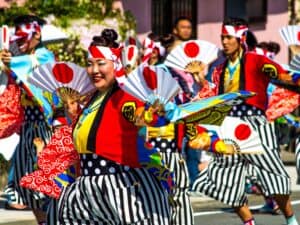
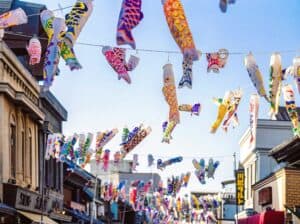
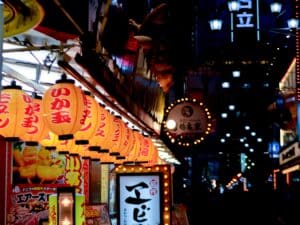
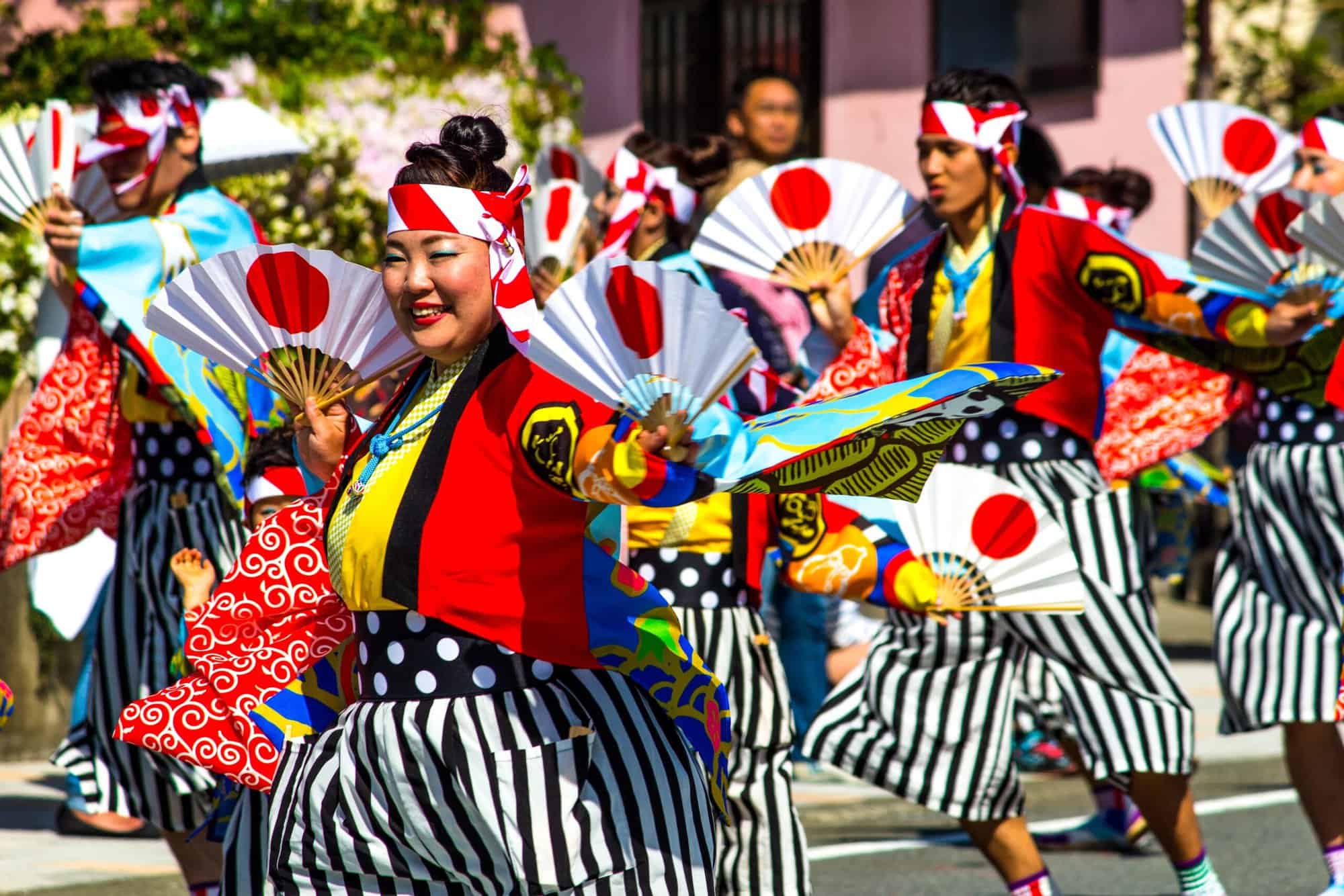
If you’re visiting Japan during the summer months, expect to observe and hopefully immerse yourself in the colourful Matsuri festivals, which often pay tribute to legendary historical events or deities connected to particular shrines in the town they originated.
These festivals contain floats, called mikoshi, alongside vibrant parades and breathtaking fireworks displays, as well as a plethora of diverse street food to pique your appetite.
In wintertime, there is equally no shortage of festivals, whether it’s the Kamakura snow hut festivals that are held around the country, the illumination festivals with spectacular light shows or the various Christmas and New Year celebrations to conclude the year.
Another unique cultural event are the Grand Sumo Tournaments. Sumo Wrestling has a long and rich history in Japanese culture, so witnessing a tournament; with all its theatrics and customs can be a riveting experience.
Additionally, baseball is a popular pastime in Japan, so fans can attend games, as well as crafts such as knives, pottery, kimono, yukata, and tatami! Each region has its own speciality including workshops and studios.
Shopping
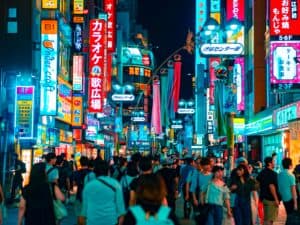
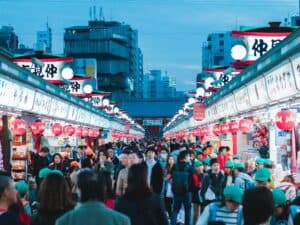
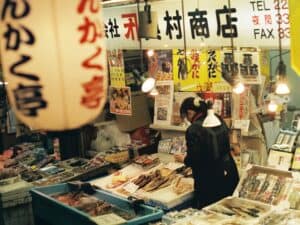
Tokyo and other major cities have world-class shopping centres, as well as smaller, more traditional markets selling locally produced crafts and souvenirs. Most cities have specialised shopping streets full of small stalls and local vendors known as Shotengai.
Harajuku, Venus Fort and Akihabara are some of the most popular shopping centres in Tokyo, and Umeda and Shinsaibashi are prime choices in Osaka.
Food

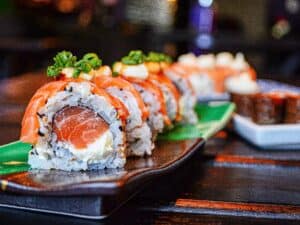
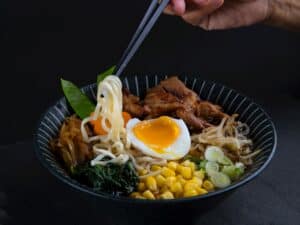
Tokyo has more Michelin stars than any other city in the world, Kyoto has the third most and Osaka the fourth… besides Paris coming in at the second spot, Japan dominates the leaderboard of premium restaurants.
And a Michelin star does not indicate expense. In fact, a Michelin meal can cost less than $2.50 all in. What they really indicate is the taste and quality of the food. You don’t have to break the bank to eat delicious, high-quality food in Japan, which explains why Japan is rated the fourth healthiest country in the world according to the Bloomberg Global Health Index.
You can try some of the fresh sushi at Tsukiji Fish Market or the delicious street food like Takoyaki. Japan also grants the opportunity to sample unique cuisine such as Kaiseki food – made with ingredients that are hardly found in any other part of the world!
Friendly Locals

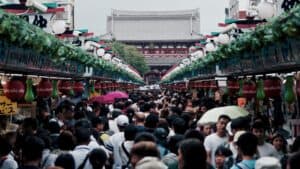
Japanese people have a reputation for being incredibly friendly and polite, and this isn’t simply hearsay – just interact with the locals and you will see for yourself!
The culture in Japan differs from Western countries, with varying customs and etiquette (if you have any queries, understanding the correct customs and researching beforehand is a good idea), many in Japan have been taught to value respect, and this is never more evident than on the train – where people are often quiet, courteous and helpful.
Public Transport
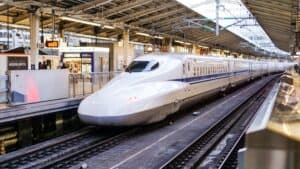
Speaking of trains – Japan’s public transport system is impeccable! With a wide range of choices including bus, train, subway, as well as water bus, its network remains one of the most efficient and reliable in the world.
However, when most think of Japanese public transport, they generally have one thing in mind: the bullet train. Also known as the shinkansen – this high-speed rail service connecting Tokyo, Osaka, Kyoto and many more places is the fastest and most convenient method of transportation available!
Cleanliness
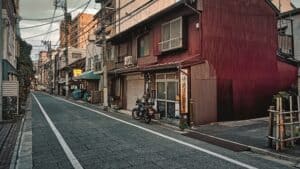
Another notable and fairly unmissable feature of Japan is its extraordinary cleanliness. You won’t see rubbish lying in the streets – no cigarette butts or errant trolleys – everything around you is spick and span!
Funnily enough, you’ll see very few bins in public spaces too. This may seem almost oxymoronic, but it ties into the concept of ‘mottainai’ – a term which can be roughly translated into “don’t waste”, and serves as a perennial belief in the value of environmentalism, which includes picking up after yourself and improving your surroundings.
Safety
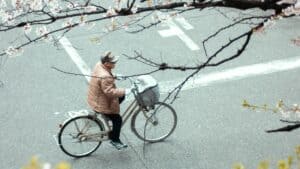
Japanese people routinely leave their doors unlocked, windows open, and allow their children to roam the street and use the subway unguided. To our Western sensibilities this may sound outlandish, but Japan is among the safest countries in the world.
This is partly due to its exceptionally low crime rate which is heavily influenced by the cultural belief in prioritising the common good above your own needs.
Japan is a substantial cultural force with a plethora of unique and exciting attractions – seldom one to elude a bucket list, its popularity only increases thanks to its growing reputation in the media. Explore our range of itineraries or enquire directly to craft the Japanese getaway you dream of.
