

Cuba, officially known as the ‘Republic of Cuba’, is an island country located in the Caribbean Sea. It is the largest island in the Caribbean and is situated south of the United States and the Bahamas. Cuba has a complex history, starting with Spanish colonization until the Spanish-American War in 1898. It gained independence in 1902 but faced political instability and dictatorships, shaping it into the diverse and resilient nation we see today.
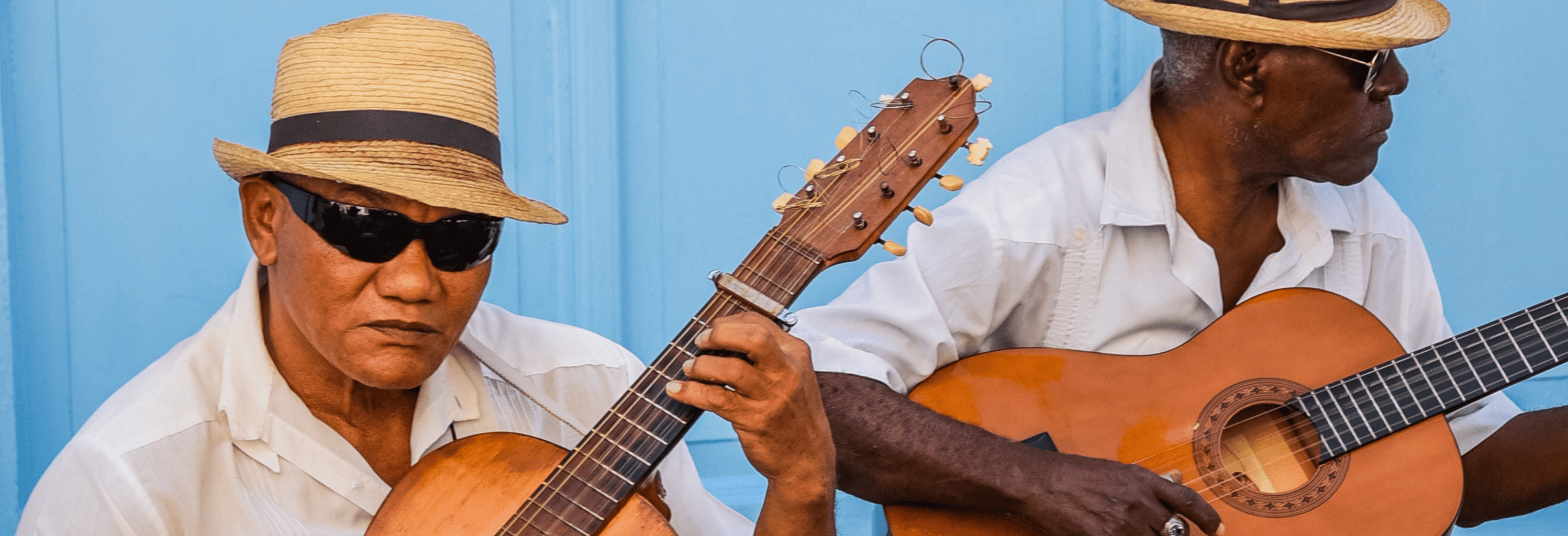
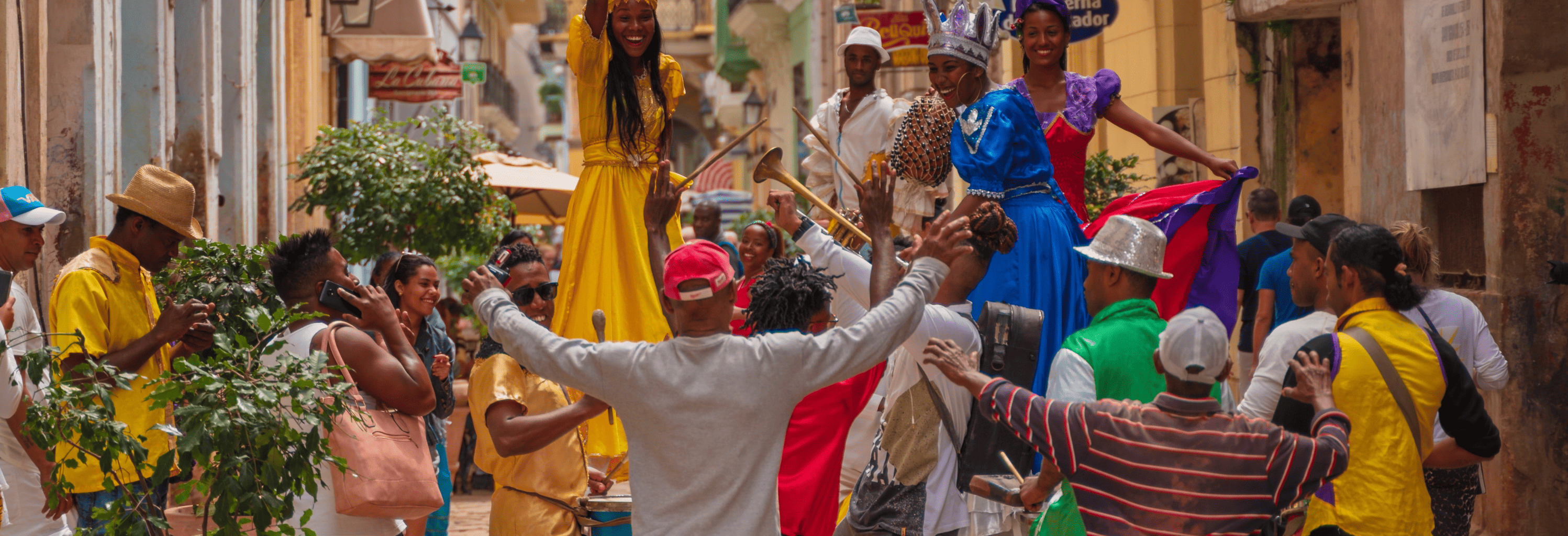
However, Cuba’s tumultuous history has had a positive impact on its modern society, boasting exceptional literacy rates and a robust healthcare system. Its vibrant culture has also been heavily influenced by its African, Spanish, and indigenous heritage – celebrated through its music, dance, and literature, with genres like salsa and Afro-Cuban jazz earning global recognition.
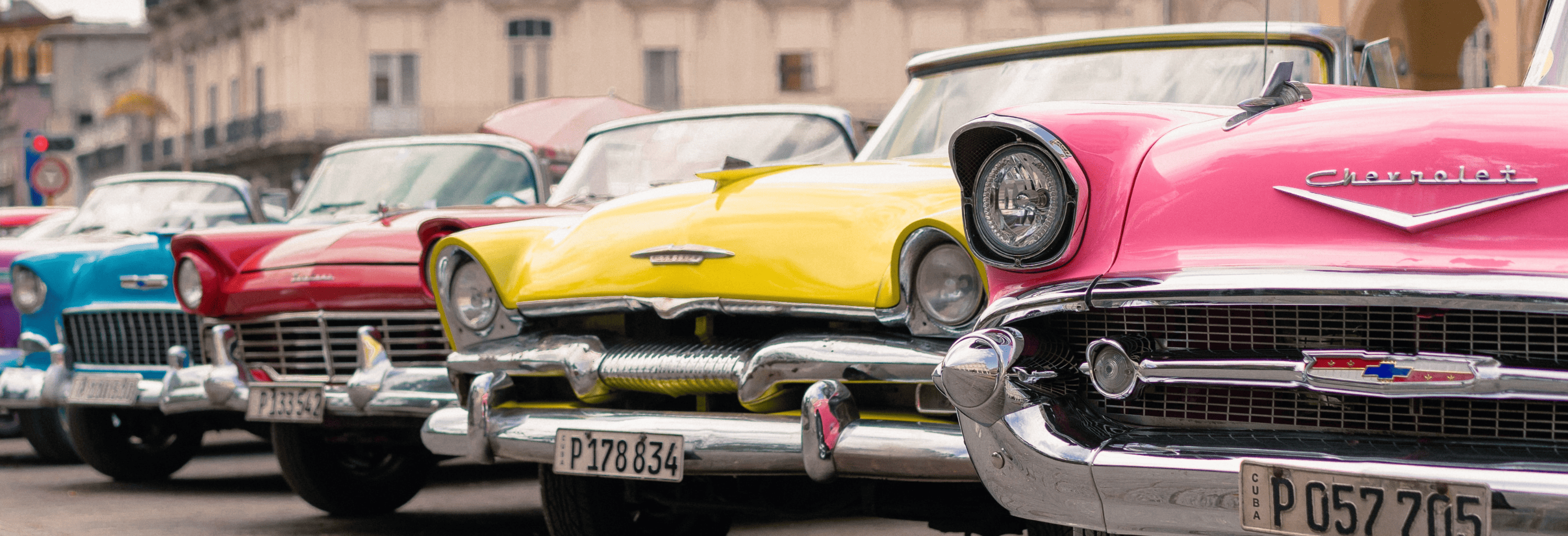
One of the primary attractions is its capital city, Havana, which is renowned for its colonial architecture, colourful buildings, and vintage cars that transport you to a bygone era. The historic centre of Old Havana, a UNESCO World Heritage Site, is filled with narrow cobblestone streets, grand plazas, and historic landmarks that breathe life into its past.
Cuba’s natural beauty is also a major draw for tourists. Discover pristine white sand beaches, adorned by crystal-clear turquoise waters, inviting you to unwind and soak up the Caribbean sun, with lush tropical backdrops offering a peaceful escape while evoking the picturesque beauty of a true paradise.