
SHARE:
Meet Canada’s Most Extraordinary Wildlife
O Canada! While your mind’s eye may conjure scenes of ice hockey, meandering moose, excessive maple syrup consumption, and impeccably dressed mounted police, this humble nation can simultaneously shock with turquoise lakes, snow-capped peaks, vast pine forests, thundering waterfalls, dramatic coastlines, grizzly bears, moose, whales, and a whole gamut of jaw-dropping spectacles.
We’ve elucidated some of Canada’s exceptional sights and activities in previous features such as ‘Why Canada should be your next getaway!’ and ‘The UNESCO World Heritage Sites Flying Under the Radar’. However, Canada’s wildlife is such a unique and recognisable draw that it justifies its own feature. Read on to find out more about the intriguing creatures that occupy this broad wooded country.

Orca
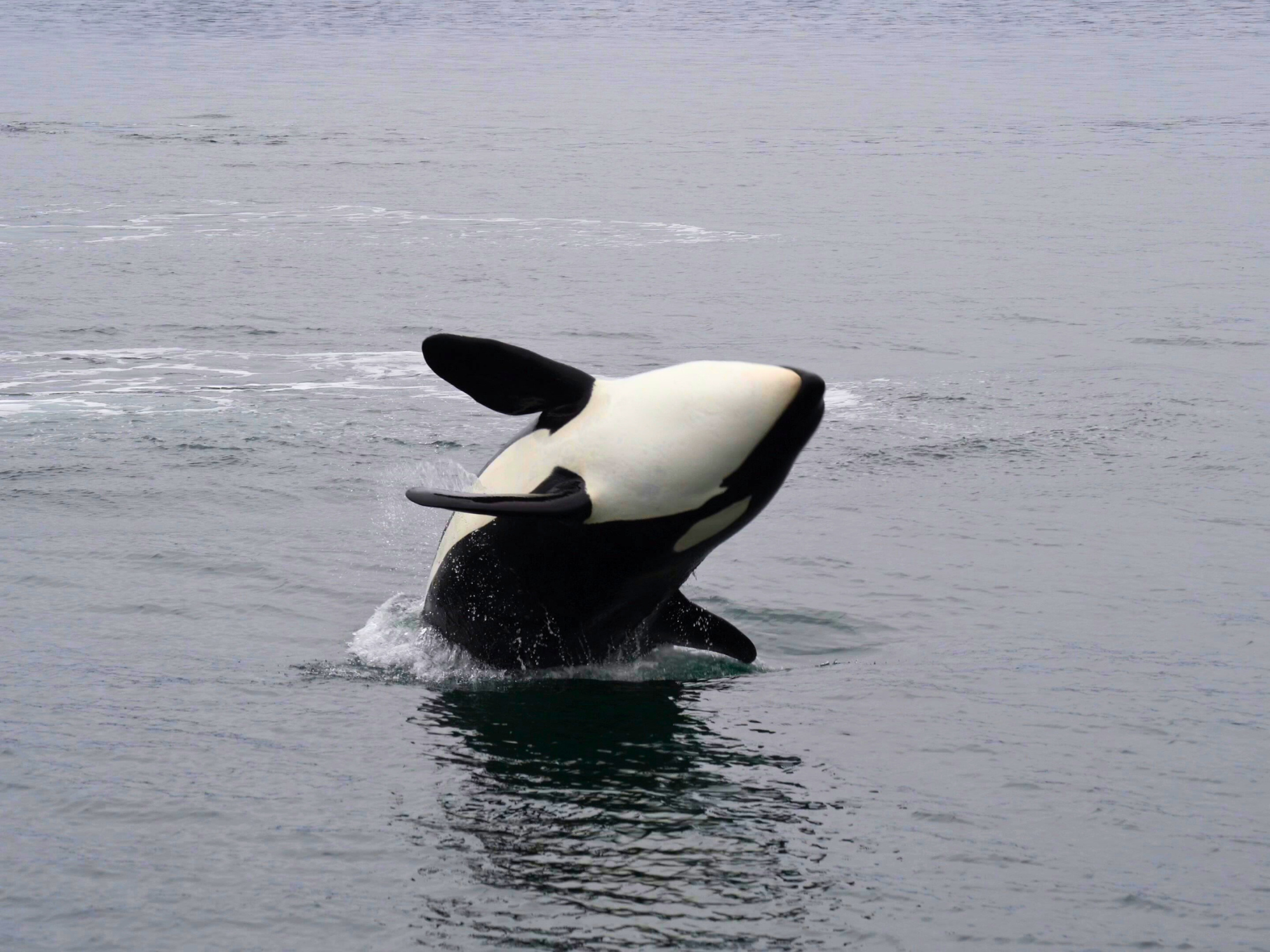
Also known as killer whales, Orcas are large, highly intelligent marine mammals that aren’t even whales at all – they’re dolphins! The misnomer arose originally because old-timey sailors witnessed them killing whales, and eventually the context washed away (pun intended).
They are some of the ocean’s most fearsome apex predators and are instantly recognisable by their sleek, striking black and white colouring. They live in close-knit ‘pods’, have a sophisticated communication system, and interestingly, almost every group has its own unique ‘culture’ which determines their ‘dialect’, hunting methods, and even diet.
Moose
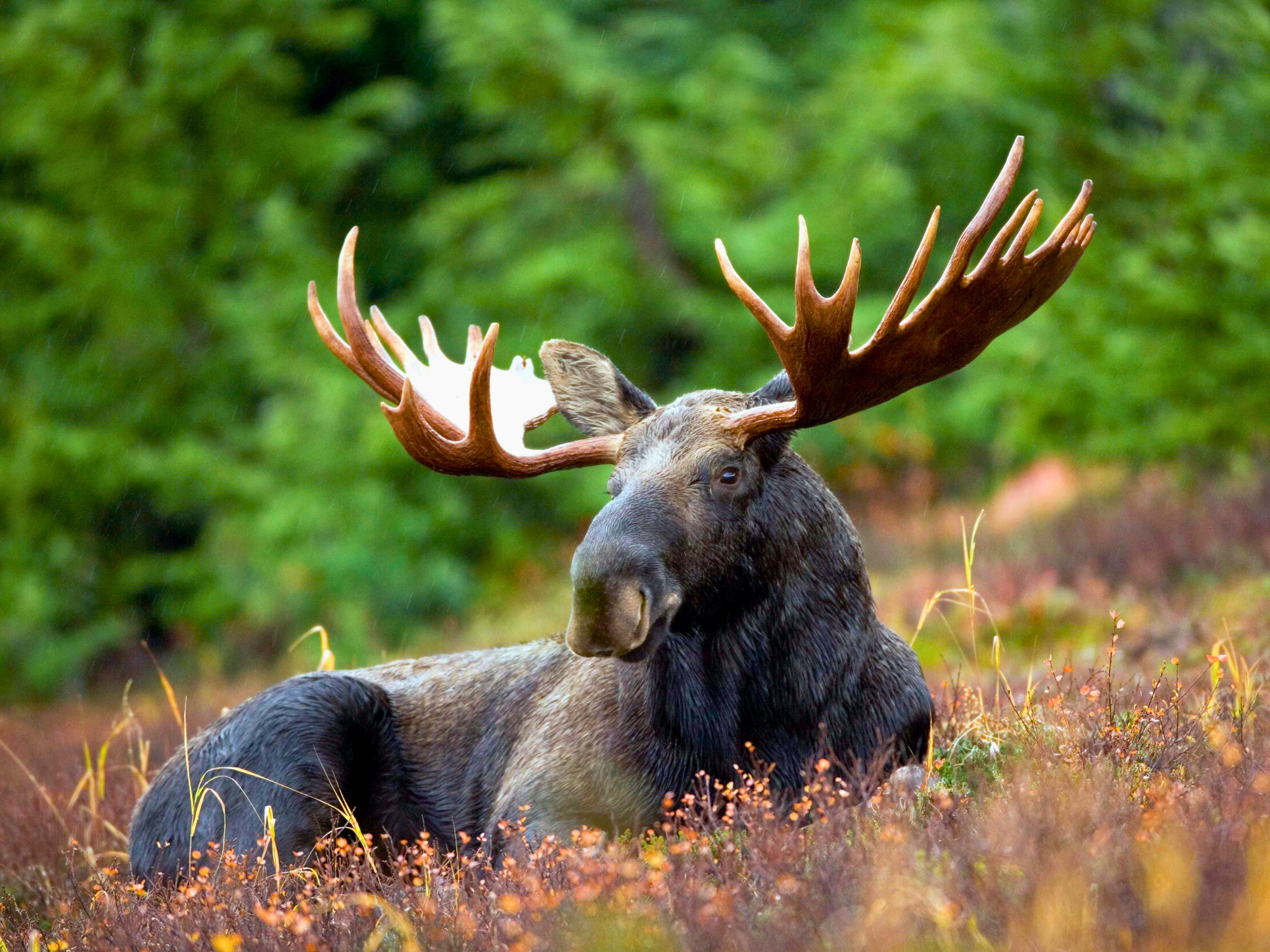
While the beaver may be Canada’s national animal, it would be easy to argue that its true spirit is encapsulated in the mighty moose. Despite their reputation for bumbling around in the middle of traffic, moose are immensely powerful creatures – adult males can stand about 2.15 metres and weigh around 600kg!
Every year, they regrow their antlers from scratch in living, blood-rich ‘velvet’ – a term that fails to capture how freakishly grotesque (or beautiful, depending on your perspective) this process really is. By late summer, the antlers have reached maturation, the velvet dries up, and moose rub their antlers off on trees and shrubs to strip it off, sometimes even eating it for the nutrients.
Moose are surprisingly fast runners, reaching speeds of up to 35 mph, and simultaneously strong swimmers, able to swim for 10 miles or more without stopping. They spend much of their time browsing on leaves, twigs, and aquatic plants, and are often more solitary than people assume.
Polar bear
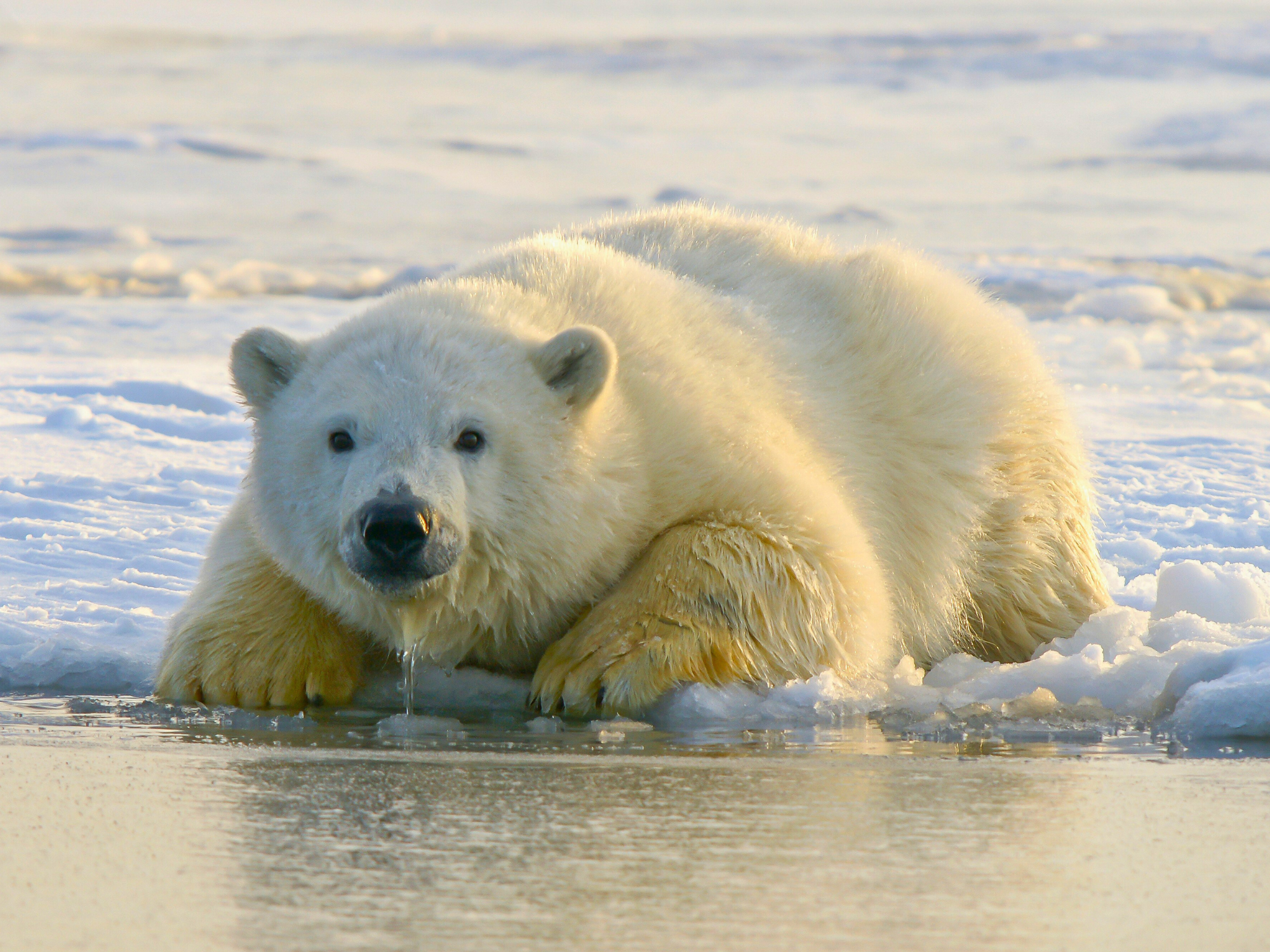
Polar bears are the largest bears on Earth and, unlike their grizzly cousins, are classed as marine mammals because their lives are bound so tightly to the sea ice. While they may appear indisputably white, this is really just another piece of polar bear subterfuge – their fur is actually translucent! It appears white due to the way the light diffuses when it reaches them.
Canada is home to two-thirds of the world’s polar bears, contrary to popular assumptions. Their paws are enormous, often compared to the size of a dinner plate, which helps them spread their weight across ice and snow, and they can smell seals from up to 32 km away. That means that a polar bear at Times Square could smell a seal pup in deep New Jersey…
Beaver
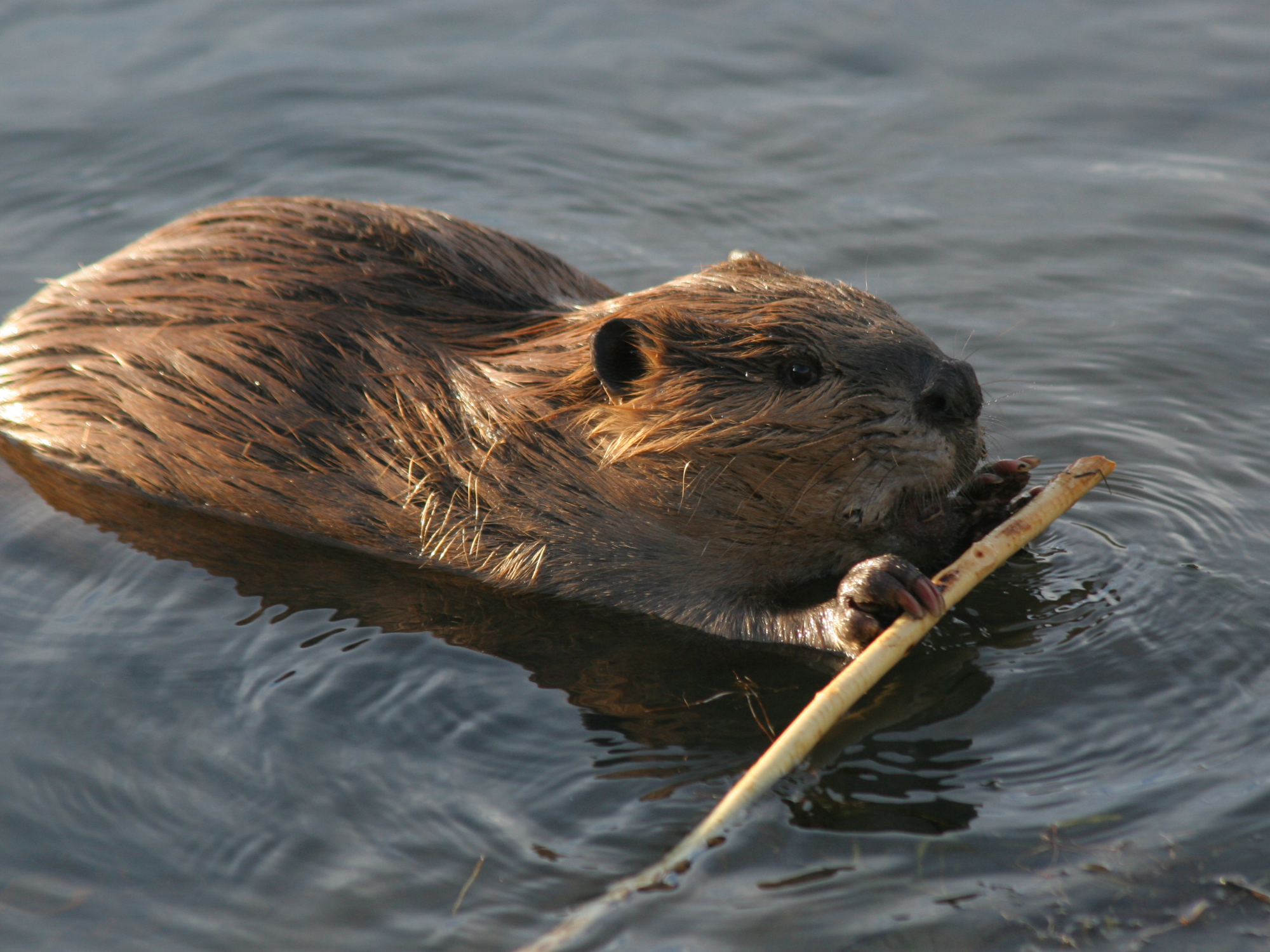
Despite having been Canada’s de facto symbol for hundreds of years due to the fur trade, the beaver was legally designated the national animal of Canada in 1975, and thus it now reigns undisputed (take that, moose!).
They are the largest rodent in North America (second worldwide only to the capybara), and through their dam-building pursuits, they create ponds and wetlands that provide habitat for fish, birds, and other animals. In fact, the dam present in Wood Buffalo National Park is almost 800 metres long and can be seen from space!
Their front teeth never stop growing – quite useful when you’re relentlessly gnawing at wood! They have built in swimming gear, such as webbed feet, a rudder-like tail, as well as transparent eyelids that act as goggles, and they can even remain submerged in water for around 15 minutes.
Atlantic puffin
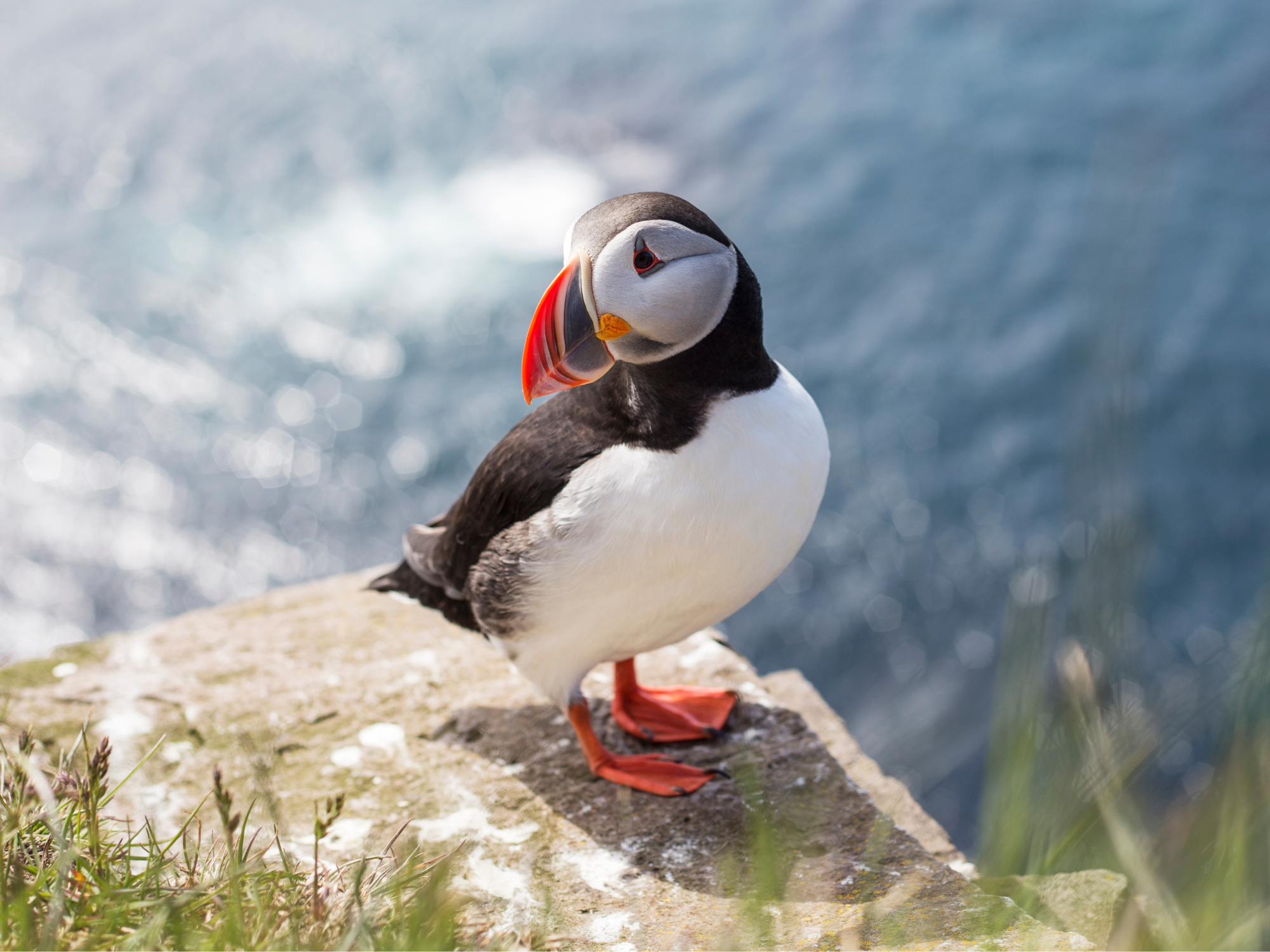
With its bright, triangular bill, black-and-white plumage, and doe-eyed, bashful expression reminiscent of a young Hugh Grant, the Atlantic puffin spurned Hollywood rom-com success in favour of a life at sea.
One of the signature seabirds of Canada’s eastern coast (especially Newfoundland and Labrador), puffins only actually come ashore to breed – they spend most of the year on the open ocean. They use their wings as flippers beneath the surface and essentially “fly” underwater while steering with their webbed feet. They can even dive to around 200 feet, and stay down for up to a minute.
For a bird that looks faintly toy-like on land, the puffin is surprisingly agile, reaching speeds of up to 55 mph. Their bright bill is seasonal, showcased for breeding season, after which it becomes “duller and smaller” (not my words – ornithologists have yet to learn tact).
Walrus
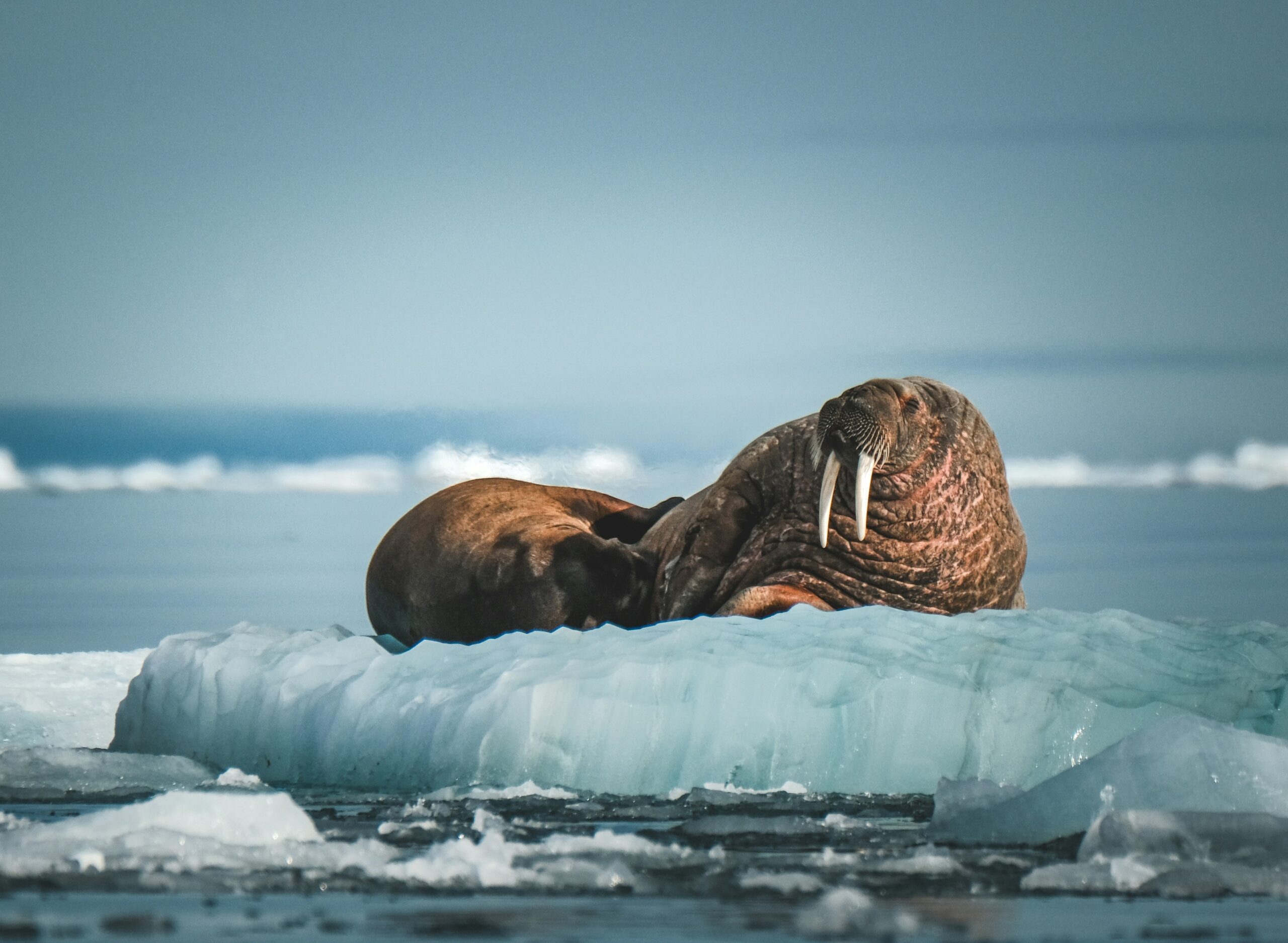
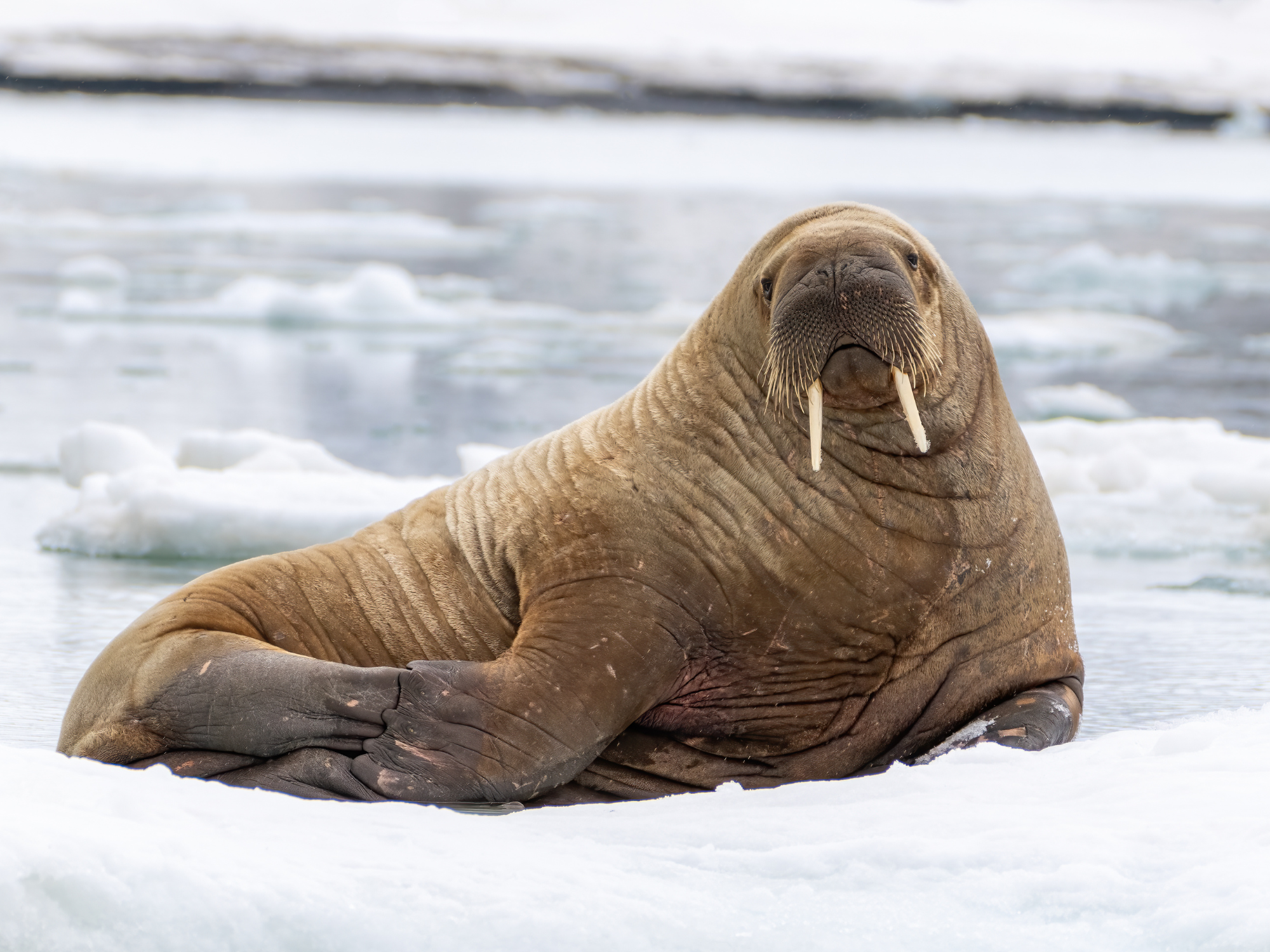
Bearing an almost prehistoric intensity, the mighty walrus is an unmissable visage. They are highly social animals, often gathering in noisy groups, and their tusks are not just for show – they use them to engage in aggressive dominance displays, defence, and even to haul themselves onto ice.
Walruses drag their snout across the seafloor and let their densely packed whiskers detect food, be it clams or molluscs buried in the mud. They also feed by suction, turning their mouths into blubbery vacuums that slurp clam meat cleanly out of the shell.
Bison
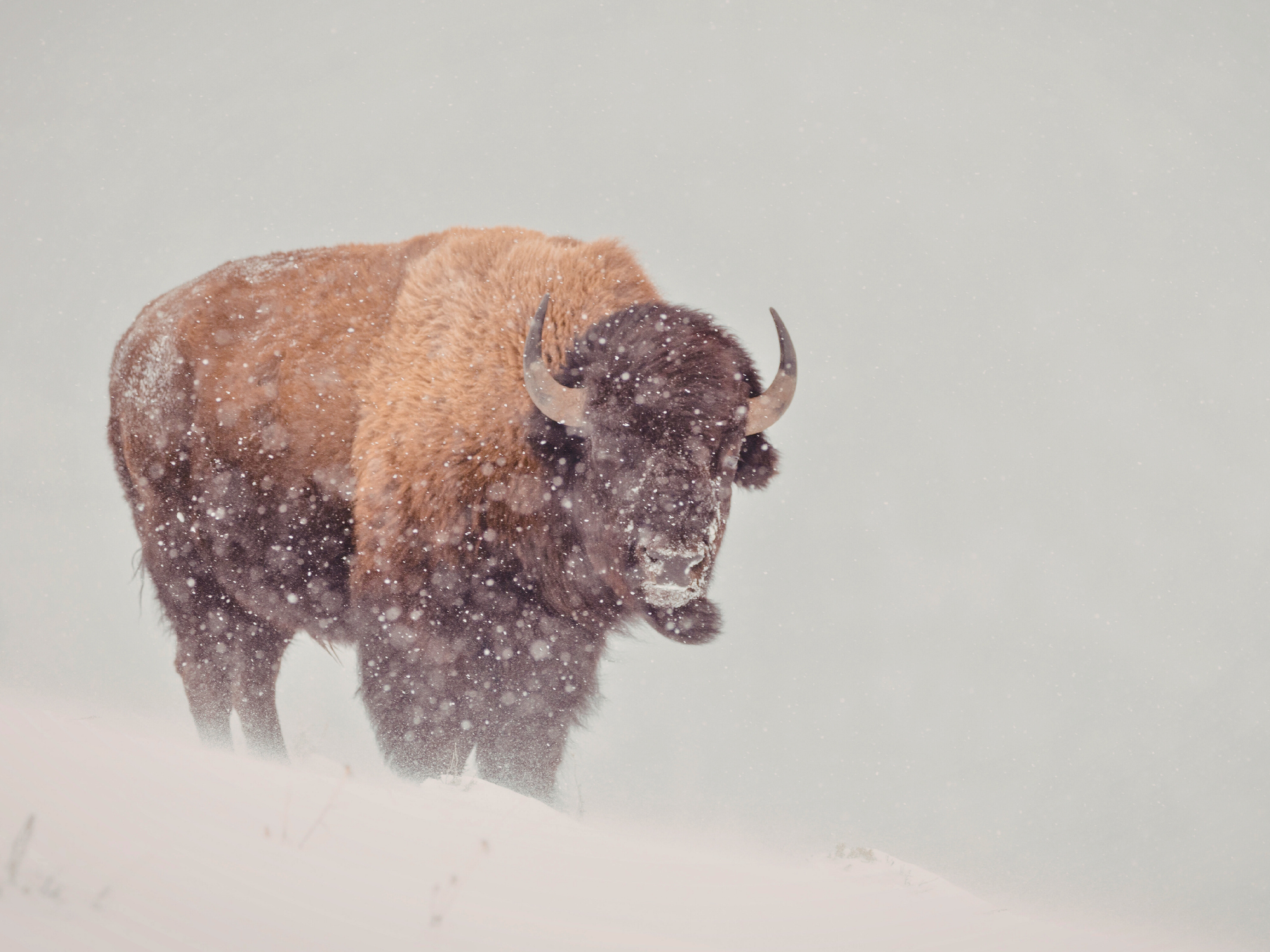
After being hunted to near extinction by American colonialists, all the bison moved to Canada for its free healthcare and more equitable public health services. Or perhaps it wasn’t that simple. The bison in Canada were spared to a greater extent due to its greater inaccessibility – a small herd survived in what’s now Wood Buffalo National Park and Yellowstone, and those tiny populations are what almost every bison alive today descends from.
Canada is home to both plains bison and wood bison, with the latter being the largest land mammal in North America – males can stand to about 2 metres at the shoulder and weigh more than a tonne. In everyday speech, people say “buffalo”, but the animals in Canada are true bison, which differ from African and Asian buffalo.
Plains bison can reach speeds of about 40 mph, a shocking level of agility for an animal of that shape and size. They are considered a ‘keystone species’ – when bison roll in the dirt, they create wallows that benefit other wildlife; the grazing, trampling, and dung of bison shape grassland habitats used by many other species.
Grizzly Bear
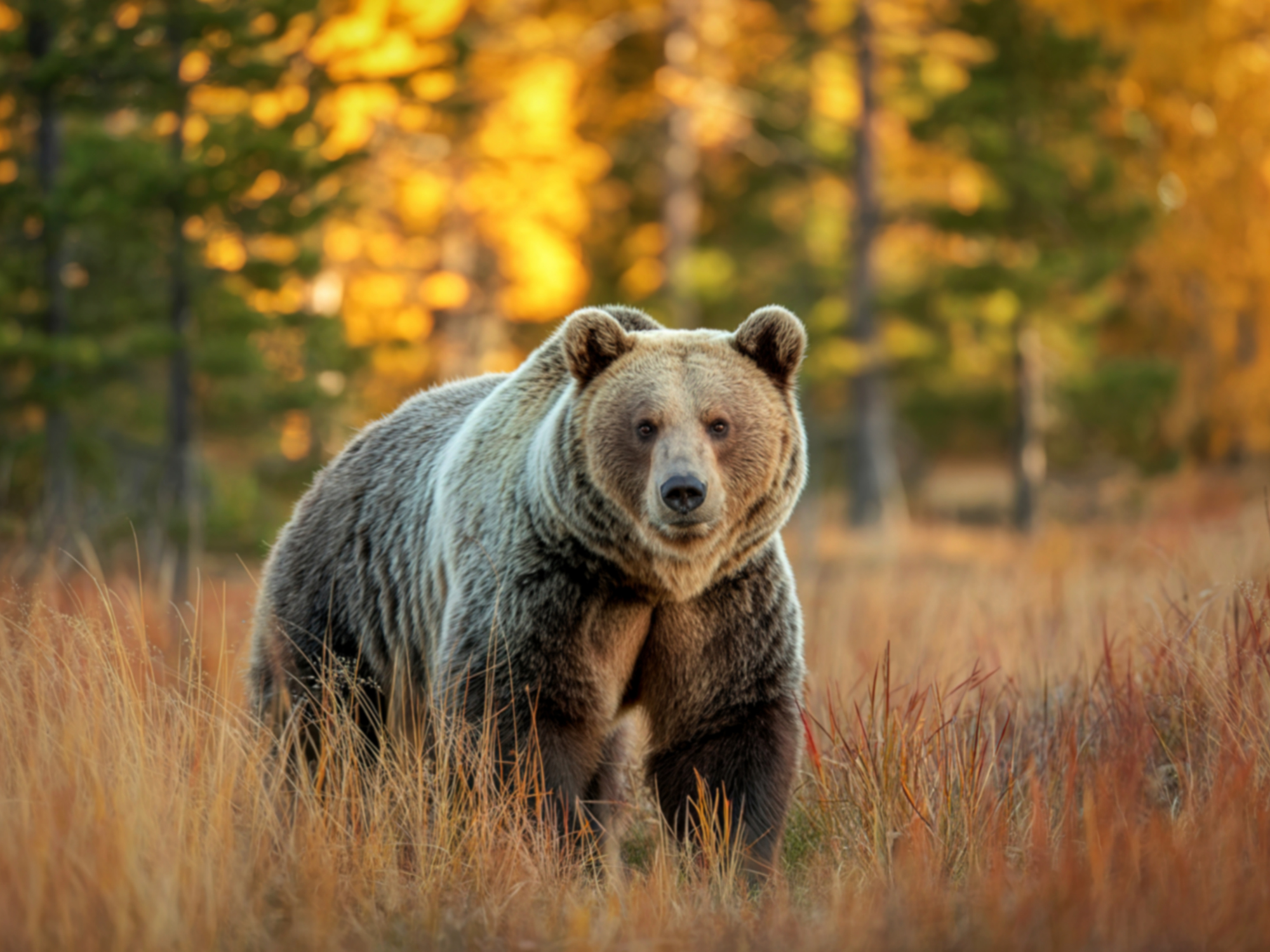
Grizzly bears are among the most formidable animals in the natural world – vast, muscular omnivores with a prominent shoulder hump, a dished face, and long claws. Found across western Canada, they are not always the dusty brown their name suggests; some are so dark they look almost black, while others can appear pale or silver-tipped.
For all their reputation as fearsome hunters, grizzlies are remarkably varied eaters, with diets that often include huge amounts of berries, roots, sedges, insects, and carrion as well as fish or mammals.
Canada’s wildlife is one of the country’s great defining draws – vast, distinctive, and in many cases instantly recognisable even to people who have never set foot there. If Canada’s wild side has piqued your interest, take a peak at our destination page or get in touch directly and we can help shape something tailored to you – enquiries@odyssey-world.co.uk / +44 117 313 7070.
