
SHARE:
Intrepid Travellers are Discovering South Korea
For the traveller who spurns the ordinary and yearns for a destination of exceptional dynamism, South Korea is the perfect adventure! Fast yet patient, bold yet restrained – it exists as a masterpiece of contradiction: from the unceasing momentum of modernised Seoul, to the stillness lingering in the incense-laced air of a tucked-away Buddhist temple.
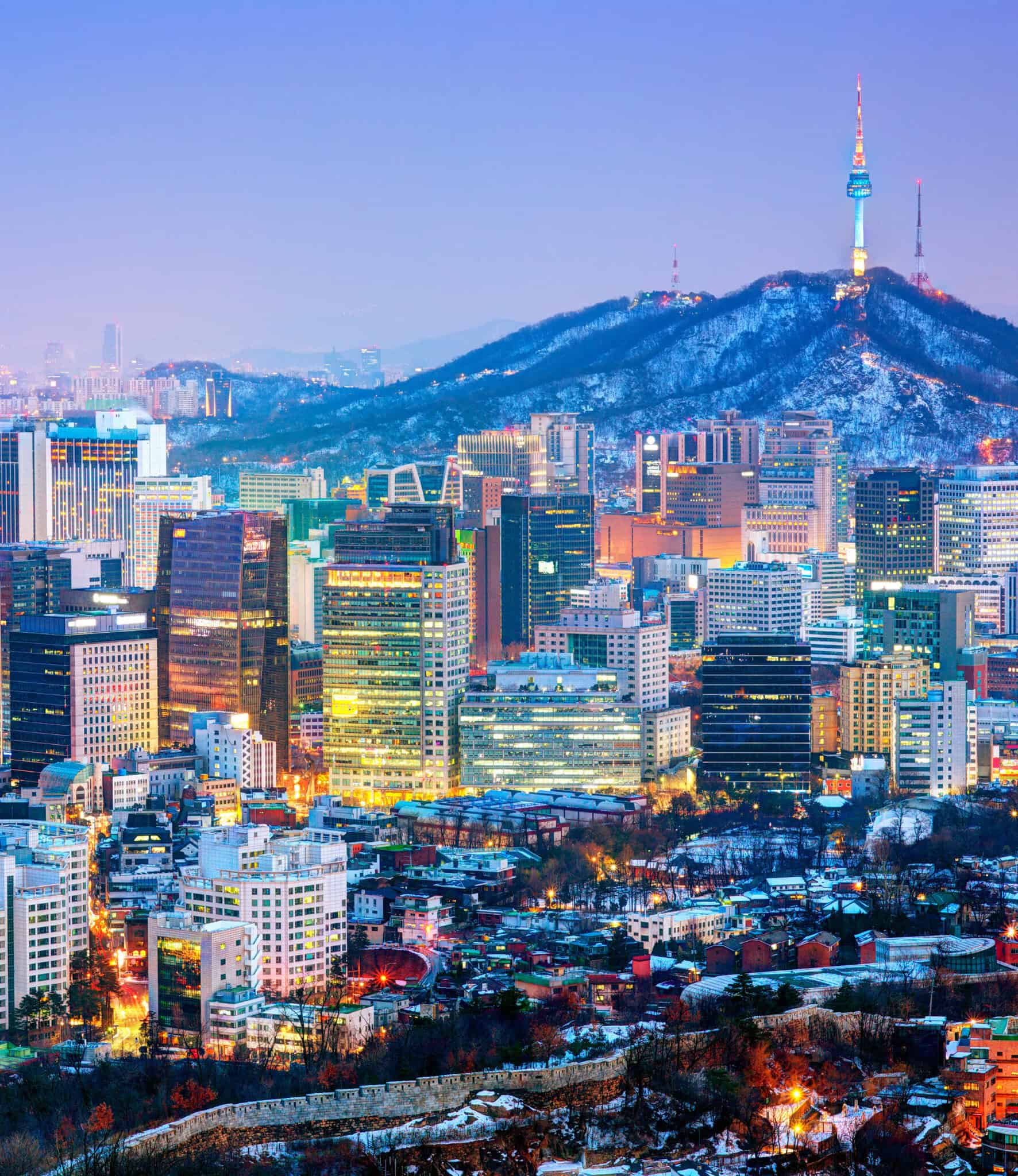 We recently published a feature documenting the diverse attraction that is South Korea’s capital city – aptly named The Many Faces of Seoul. However, South Korea boasts so much more, and to narrow one’s focus to the capital could be rendered remiss.
Having fashioned itself into a cultural powerhouse over the last few decades, South Korea’s tourism rates have seen a significant surge. From the explosion of K-pop, K-dramas, and Korean cinema, as well as hosting the Winter Olympics, globalisation efforts have seen this once imperialist country transform into a bastion of expression and colour.
If Seoul is South Korea’s electric core, Busan is its sea breeze escape. The rhythm of the city shifts between relaxation and effervescence – Haeundae Beach is famed for its golden sands backed by a powerful skyline, whereas Gamcheon Culture Village scintillates with pastel valleys and bohemian street art.
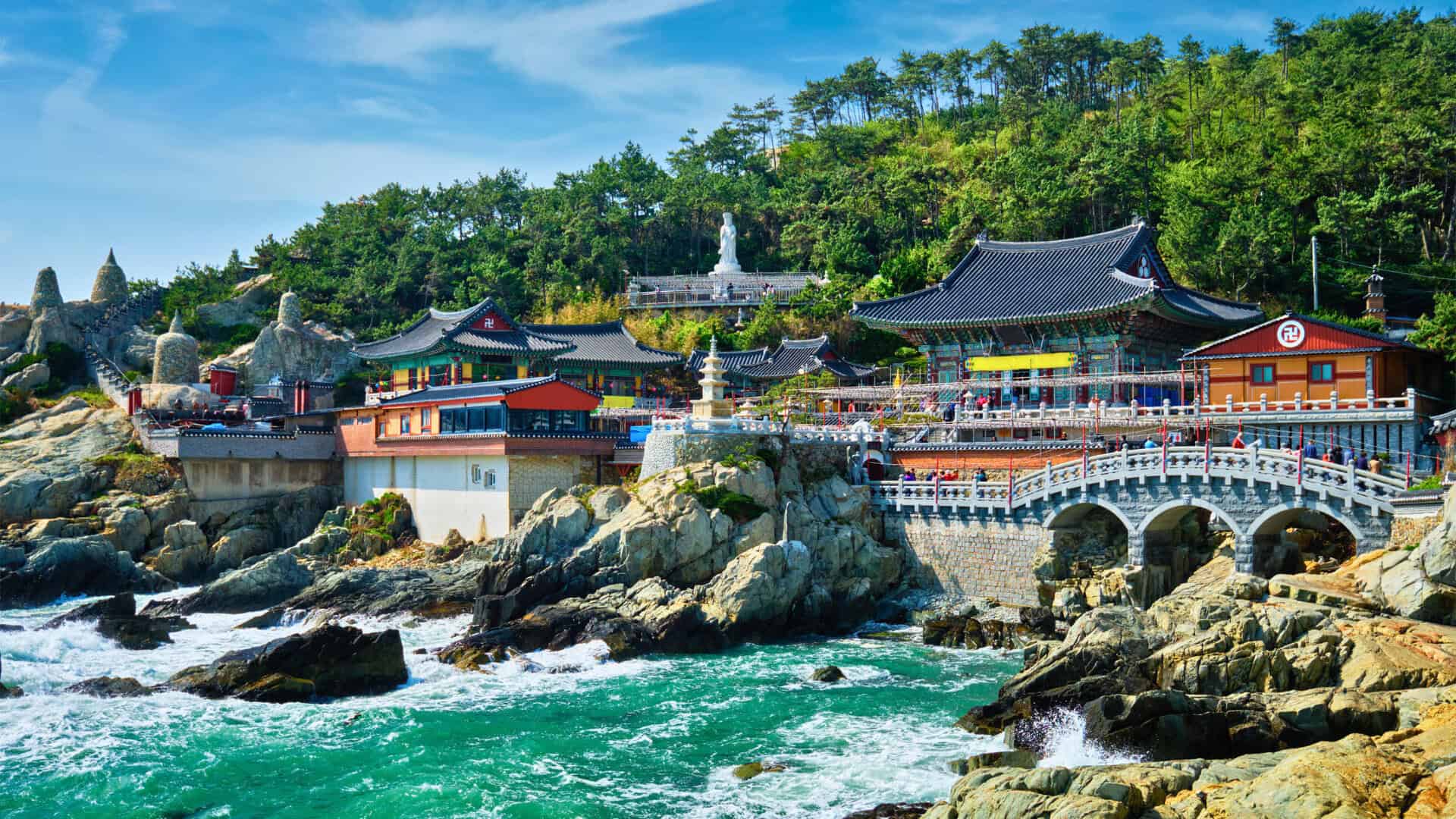
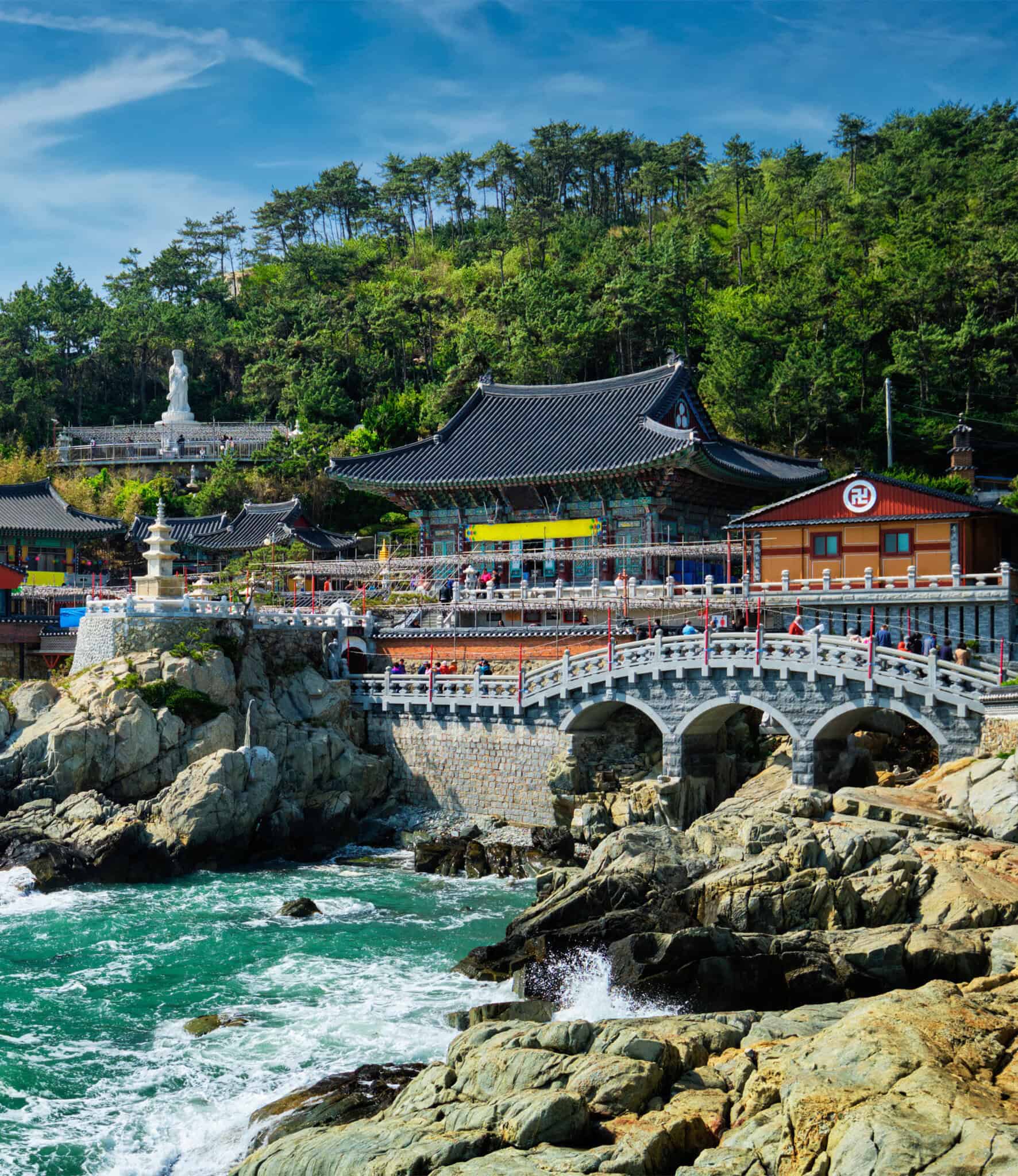 For those who prefer their experiences steeped in local flavour, Jagalchi Fish Market is a must. Delivering the freshest seafood, its stalls are brimming with the morning’s catch – be it glistening mackerel or still-wriggling octopus. And at Haedong Yonggungsa Temple, where waves crash against an ancient sanctuary, the temple’s golden Buddha gazes serenely out to sea.
Beyond its neon-lit cities, there exists a landscape of incredible natural beauty. Chief among these is Jeju Island, a volcanic paradise often hailed as the “Hawaii of Korea.” Its crown jewel, Hallasan Mountain, rises dramatically from the island’s core, an extinct volcano shrouded in mist and folklore.
On the mainland, Seoraksan National Park is replete with jagged peaks and hiking trails weaving through Buddhist temples and hidden waterfalls. And the Jindo Sea-Parting Festival has a unique trick up its sleeve: once a year, the tides recede to reveal a narrow land bridge between Jindo and Modo Island. Locals and travellers alike wade across this exposed seabed, harvesting clams and seaweed.
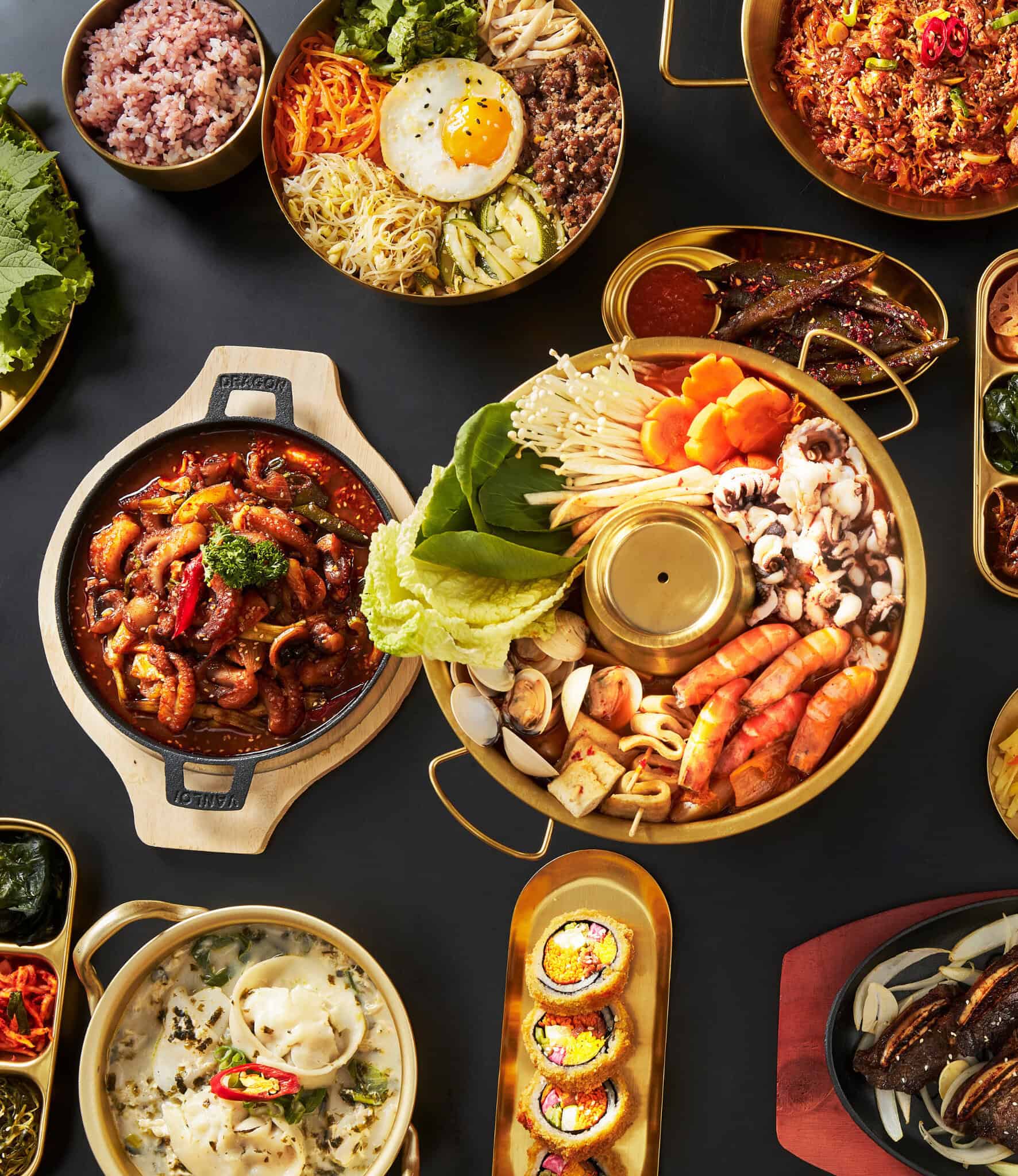 To fully appreciate South Korea, you must taste it. The country’s eminent culinary landscape is a feast for the senses – markets like Gwangjang and Noryangjin are lively with vendors flipping kimchi pancakes and slicing fresh seafood. For a quieter experience, temple cuisine in Gyeongju reflects Korea’s spiritual relationship with food – these vegetarian meals which are crafted with local ingredients reflect the Buddhist philosophy of harmony.
Yet, Korea is not only heard through the clatter of chopsticks – its music, both past and present, still permeates the soul of the nation. The world now moves to the beat of K-pop, a genre evincing unrelenting energy, spectacle, and showmanship. But for those willing to look deeper, its traditional music is still lurking within its crevices. Whether it’s the piercing cry of the haegeum or the steady, mournful thrum of a janggu drum, these melodies evoke a more timeless appeal.
 Another cultural institution among South Koreans are ‘jjimjilbangs’, i.e. Korean bathhouses. Within their walls, visitors move between steaming hot pools, icy plunge baths, and mineral salt rooms designed to rejuvenate both body and mind. It’s not uncommon to see families, couples, and friends lounging together, enjoying herbal teas or indulging in ‘sikhye’, a sweet rice drink. Some, like Dragon Hill Spa, elevate the experience with themed sauna rooms, jade therapy zones, and even sleeping quarters.
It should be noted that good etiquette is customary in South Korea, and politeness is deeply ingrained. Public spaces, especially subways and temples, are kept quiet, and historical sites like Gyeongbokgung Palace should be treated with respect – climbing on structures or touching artifacts is discouraged. This is tied to the the Confucian principle of “예의” (yeui), which translates to “courtesy” or “etiquette.”
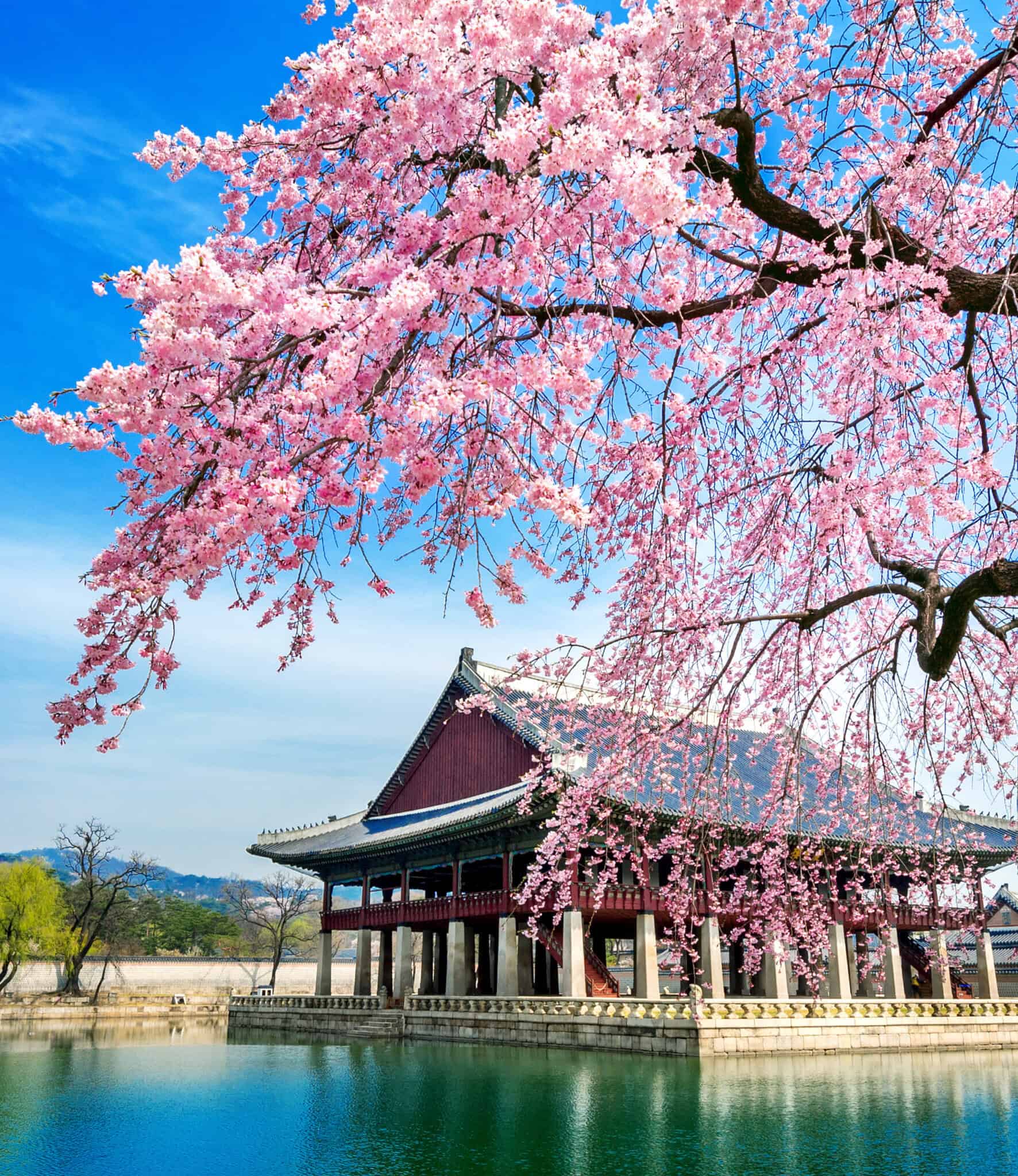
A country of distinct seasons, spring (April – June) and autumn (September – November) typically offer the most pleasant weather and optimal scenery. Cherry blossoms in spring and fiery foliage in autumn transform landscapes into postcard-worthy scenes, making these the best times for outdoor exploration. Summer can be hot and humid, while winter, though cold, is ideal for those seeking snowy landscapes and ski resorts.
Getting around is seamless thanks to South Korea’s highly efficient public transport. The KTX high-speed train connects major cities in record time, while Seoul’s subway system is clean, punctual, and easy to navigate. Buses provide extensive coverage, and contactless transport cards like T-Money make commuting even more convenient.
South Korea is a place that keeps you on your toes – fast, loud, quiet, and ancient all at once. If you want a route that hits the major sights, check out our ‘This is South Korea’ itinerary. If you’d rather take a different path, we’ll put something together that suits you – enquiries@odyssey-world.co.uk / +44 117 313 7070!
