
SHARE:
How conservation is saving Colombia’s biodiversity
Crowned the second most biodiverse country in the world, and with the greatest number of species per square kilometre, Colombia is an undeniable champion of ecology. But few would automatically pin this country as such.
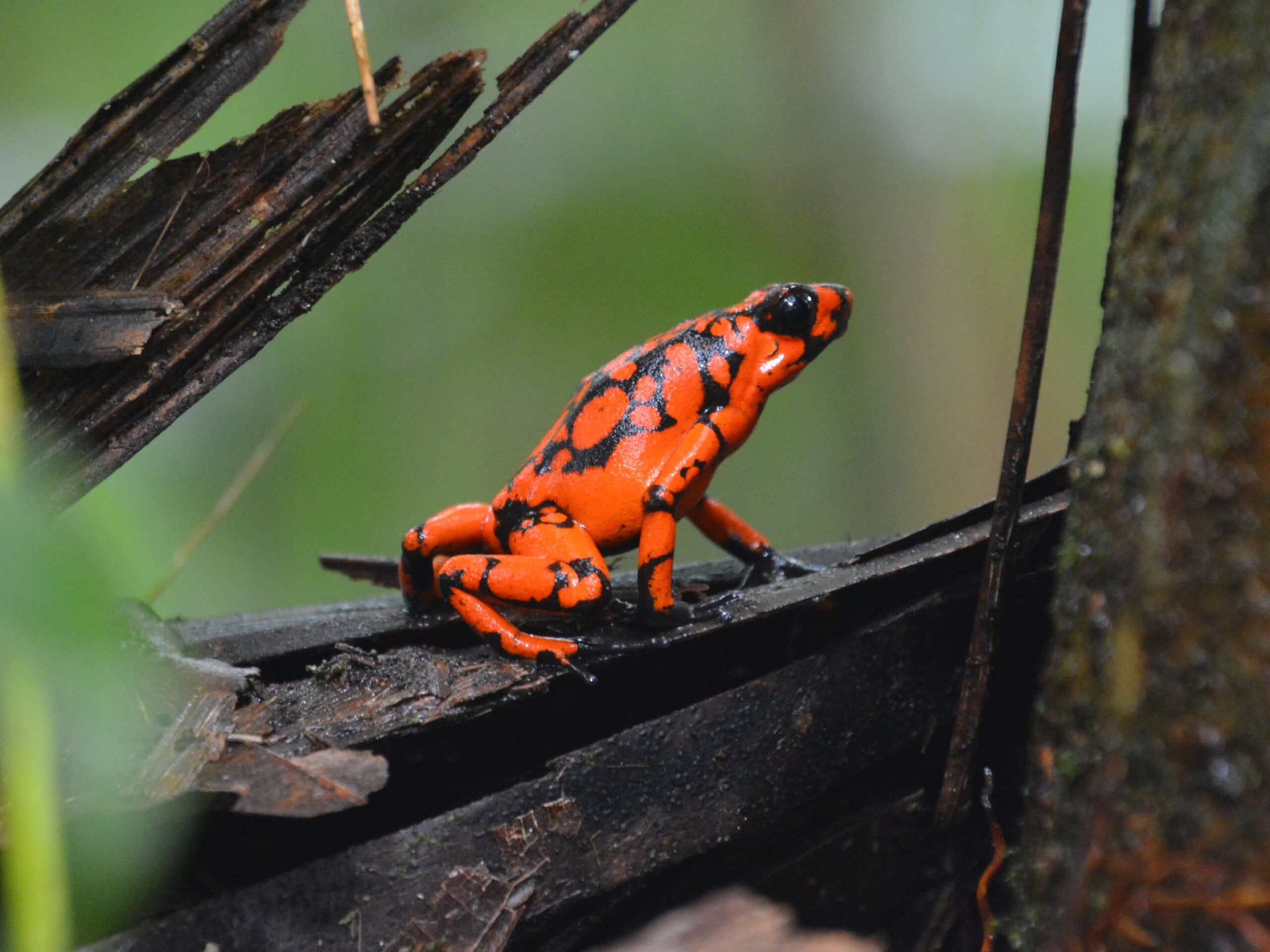
When most picture environmentally rich locations, they may envisage Brazil, Indonesia, or Costa Rica, but Colombia’s ecological credentials leave little to be desired. Not only is it 1 of the 17 “megadiverse” countries, but Colombia is home to over 50,000 species – 9,000 of which are endemic!
There are more species of birds and orchids here than anywhere in the world, it’s second in the number of species of plants, amphibians, butterflies and freshwater fish, third when it comes to palm trees and reptiles, and fourth in its diversity of mammals. Colombia is truly a haven of biodiversity, but how did it get there?

Colombia’s ecological abundance stems from its unique topography – lying in the northernmost extreme of South America, it is the bridge between both the northern and southern hemispheres. The six natural regions of Colombia – Andean, Caribbean, Pacific, Orinoquía, Amazon and Insular – are home to virtually every kind of habitat.
This fascinating country has coast on the Pacific Ocean to the west and on the Caribbean Sea to the north, and both water bodies affect regional climate. From the Chocó-Darien forests (some of the most diverse tropical forests of the world), the dry Caribbean region, stretching into the Los Llanos region (with its tropical savannas), as well as the Andes…
This dichotomy of local climate has an interesting impact on the surrounding environment: as rainfall and temperature vary so greatly, its mountainous regions and valleys create a marked variation of habitats and unique ecosystems where life can adapt and evolve to new demands, thus creating species faster and with increasing gradations.
It is even possible to travel from desert to alpine tundra within a few days, passing through jungles, along rivers and overseas.

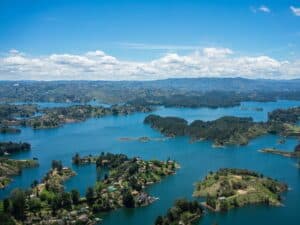
Possessing an incredibly rich ecological landscape is no doubt a positive, but the trouble is it requires active and diligent preservation. The most notable threat to Colombia’s biodiversity is deforestation – large-scale deforestation leads to the pollution of rivers, an overall loss of wildlife & plants and most dangerously, forest fires: in 2019 alone, more than 2,200 forest fires were reported in Colombia.
Another risk is the threat of direct attacks on fauna, which include poaching, trafficking of trophy animals and overfishing.
In response to the fear of degradation, the Colombian government are beginning to propose ambitious policies to ensure conservation and limit deforestation practices.
Originally in 1994, Colombia signed a Biological Diversity Agreement, resulting in 1,116 areas being promised environmental protection. Since 2016, the country has made more than 16 scientific bio expeditions leading to the discovery of more than 150 new species of plants and animals!
Additionally, the Global Challenges Research Fund (GCRF) created the GROW-Colombia project which aims to reduce zero net deforestation, as well as employing approximately 30% of people in rural regions and promoting local biodiversity, which is also aided by The Nature Conservancy’s efforts in aligning the interests of key stakeholders with that of the plight of conservation.
When governments and locals are environmentally conscious; caring for and protecting the exceptional natural beauty that lies before them, it has a net positive impact for everyone. Colombia’s incredible diversity can open a huge window into research opportunities.
In areas of the country that remain fairly untrodden, there are various plant and fungi species still awaiting discovery – this could prove revolutionary in developing new drugs, raw materials from native plants, food sources and much more!
Not only that, but further research could contribute to climate science. For example, weather effects on certain mountainous regions and data regarding carbon dioxide storage among its ecosystems could lead to discoveries into the most effective ways to combat the climate crisis.
Colombia’s environmental conscientiousness is a step in the right direction, one we’re thankfully seeing more of in recent years. We’ve already published blogs covering the conservatory practices of Costa Rica, Sri Lanka and Peru!
With such bountiful natural splendour, there’s no better time to consider a visit to South America’s underrated tropical paradise, just simply remember to adhere to the general code of a responsible traveller – this way, we can take care of the ecosystems around us and have a positive impact wherever we go!
