
SHARE:
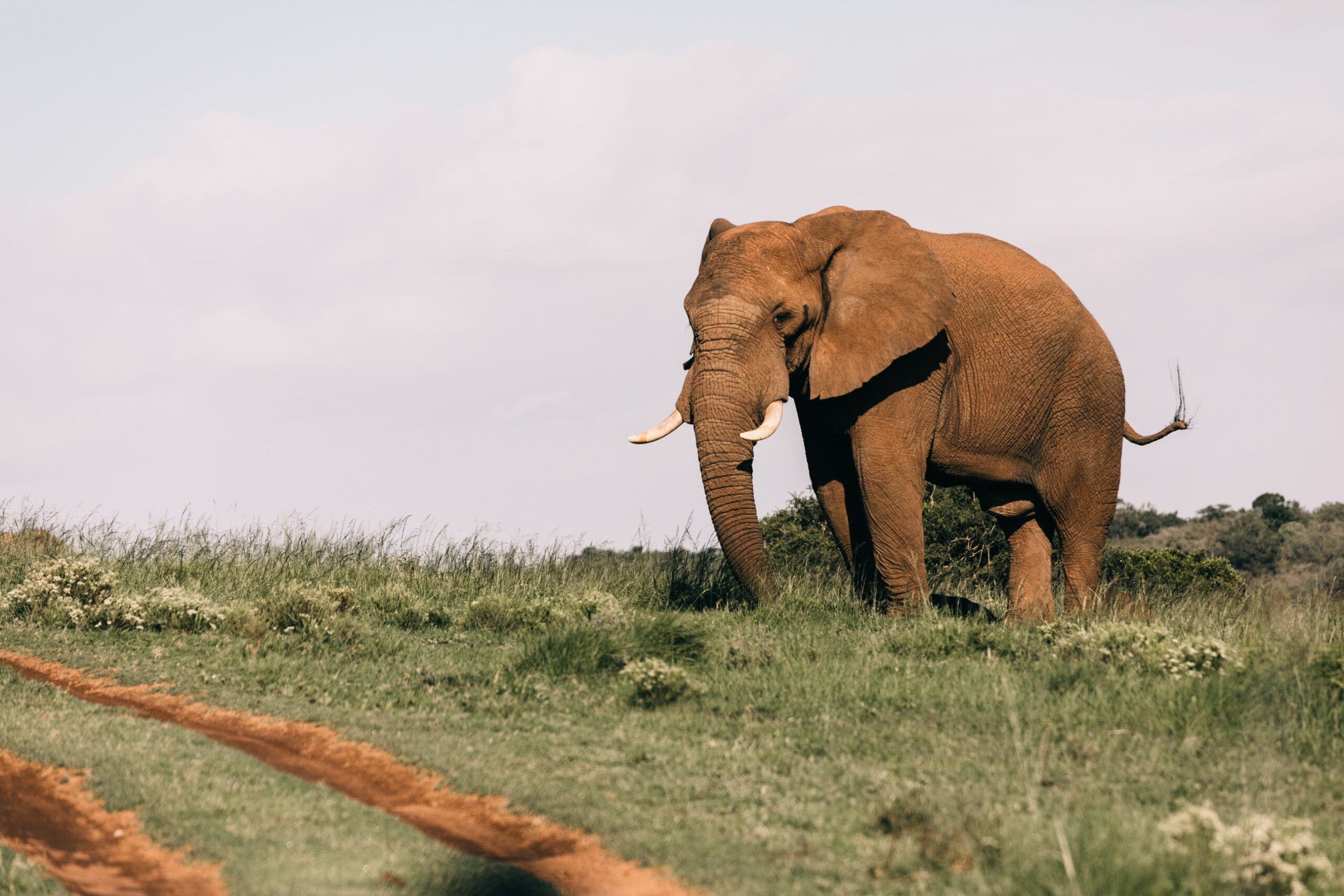
How Sri Lanka makes paper out of elephant poo
The Pearl of the Indian Ocean may be known best for an amalgamation of noble qualities – be it the enticing tropical climate, endless beaches, delicious food, spectacular wildlife, cultural significance and welcoming people, to name but a few.
However, where conservation is concerned, one entrepreneur has taken a radically unorthodox approach. Have you ever looked at the faeces of an elephant and decided it would make the perfect medium to write a novel? Because if not, you need to buck up your ideas!
Someone not so closed-minded goes by the name of Thusitha Ranasinghe, the man responsible for this faecal factory. The project began in 1997 and has since garnered a huge amount of publicity. Represented by Eco Maximus, a company dedicated to conservation, today they create a range of stationery and souvenirs, selling in over 30 countries across the globe.
The average elephant defecates 16 to 18 times a day producing over 200lbs of manure. Fun fact. And who would want to let that go to waste?
“The first question, always, is what does it smell like?” chuckles Ranasinghe, and while we all want to picture him answering this question with his nose pegged, the reality is it has no smell at all thanks to a 10-day process that begins with washing the dung, then boiling the mixture.
The mash is then blended with recycled paper for consistency (using no toxic chemicals, it’s important to add, only “all-natural vegetative binding agents”), before being spread onto submerge screens to make sheets of poopy paper.
Compared to the conventional wood-based process, it uses 44% less energy, produces 38% fewer greenhouse gas emissions, 41% fewer particulate emissions, 50% less wastewater, 49% less solid waste, and 100% less forest destruction, making Eco Maximus and the team an unquestionable hero of conservation.
If you weren’t wondering whether elephant poo would make good paper, then you must be thinking that buses would be a perfect home for fish, right?
If for some weird reason that very common thought hasn’t crossed your mind, then you’ll be surprised to learn what procedure the Sri Lankan government has undertaken to preserve its sea life…
That’s right, the Sri Lankan government has recently begun sinking decommissioned buses (and boats) to serve as “breeding sites”!
Interestingly, the structural body of a bus is the perfect place for fish to aggregate. After some time resting on the seafloor, they begin accumulating algae, barnacles and molluscs, and before long, entire corals.
Buses are the most popular mode of transport in Sri Lanka. However, every vehicle has a lifespan and will eventually need to cease operation. The decommissioned vehicles are sent to junkyards, leading to decay, as well as collecting rainwater and becoming “mosquito-breeding sites”, resulting in the spread of disease.
Not only that, a range of bacteria-growing, degrading vehicles is an architecturally unappealing sight, so sinking them has benefits beyond the ecological ones. However, we can rest assured that before being deposited into the ocean they’re thoroughly checked for pollutants or other harmful contaminants.
Dozens of buses have already been sunk among three cites – just off Trincomalee, Galle and Jaffna. “The results are encouraging as the buses we dumped at the first site have already attracted a lot of fish,” explained Susantha Kahawatta, director-general of the organisation behind the operation (the DFAR).
Sri Lanka has a narrow continental shelf meaning there are very few sites that can facilitate fish breeding, “But knowing that structures like sunken ships become artificial coral reefs over time… we wanted to try out providing more such places around Sri Lanka,” Kahawatta added.
However unconventional the methods, it should come as little surprise to you that many in Sri Lanka are focusing their attention on conservation and preservation. Protected areas in Sri Lanka account for 26.5% of its land, a higher percentage of protected areas than in all of Asia and much of the world.
Odyssey World wants visitors to Sri Lanka to be mindful of sustainable and authentic tourism. We choose local suppliers who endorse responsible tourism so we can make a net positive impact wherever we travel.
Sri Lanka is a fantastic family destination for adventure, exploration, culture, cuisine and the most spectacular scenery. Contact us on enquiries@odyssey-world.co.uk to plan your Sri Lanka tailor made holiday.
