

I am fortunate enough to have just returned from Gunung Mulu National Park in Sarawak, Borneo, and what an experience!
Mulu is a UNESCO World Heritage Site and it’s easy to see why with the vast array of biodiversity which includes one of the oldest forests on earth, several world-renowned caves and mountains with associated habitats. It’s a feast for the senses.
There is so much on offer here, whether visiting local indigenous craft markets, or climbing the famous / infamous “pinnacles”, a three-day strenuous challenge hike.


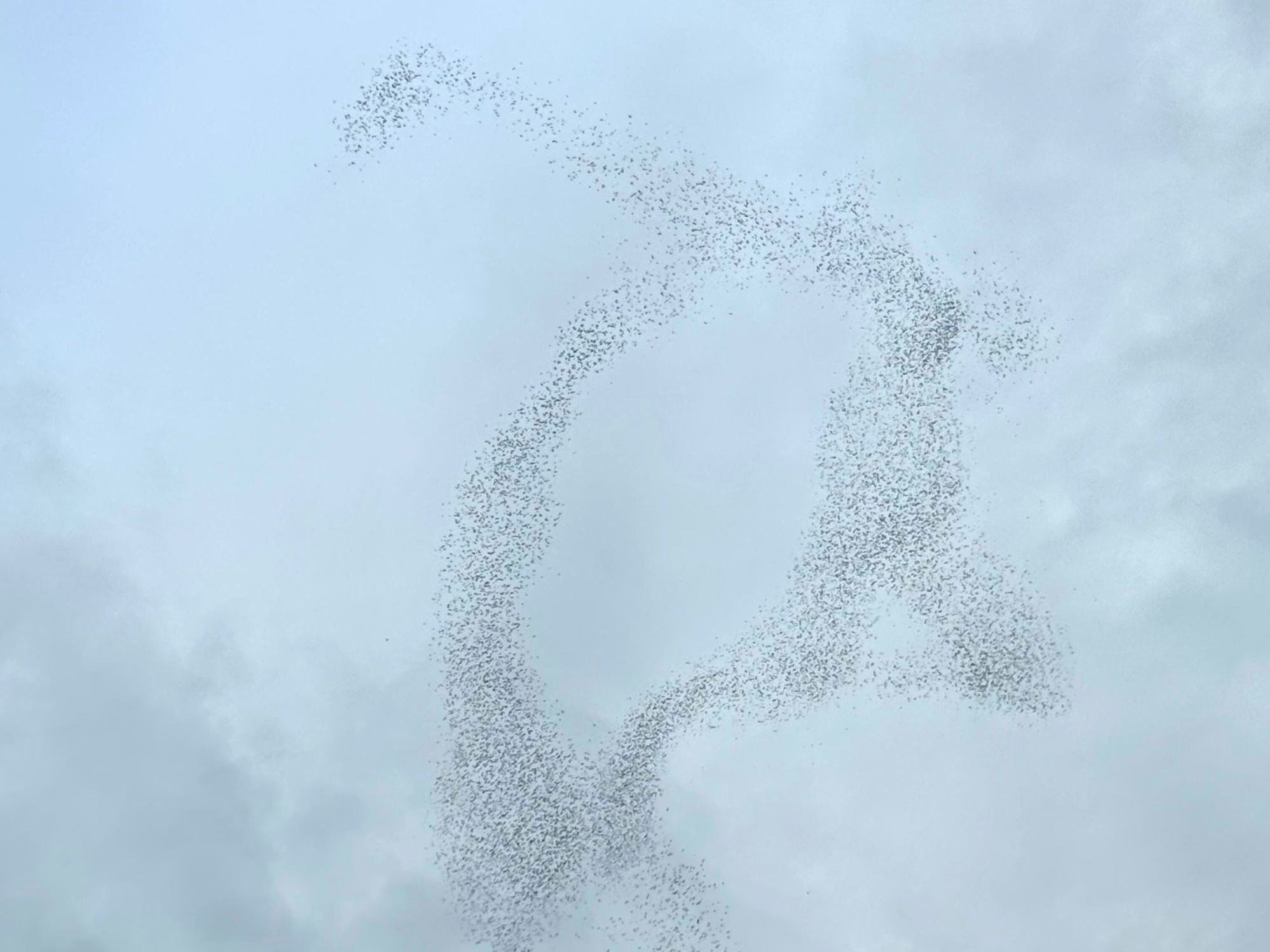
We took it slightly more easy opting for cave hikes, the first of which culminated in one of the most amazing spectacles and a highlight of the park, the bat exodus from Deer Cave. Each evening (when it’s not heavily raining in the rainforest) some 2 to 3 million bats of varying species exit the cave in search of supper. This is akin to a bird murmuration, but on a far grander and larger scale. The shapes and columns that the bats form are simply amazing. Several birds of prey loiter with intent to pick off an easy meal, making the movement of the bats even more spectacular.


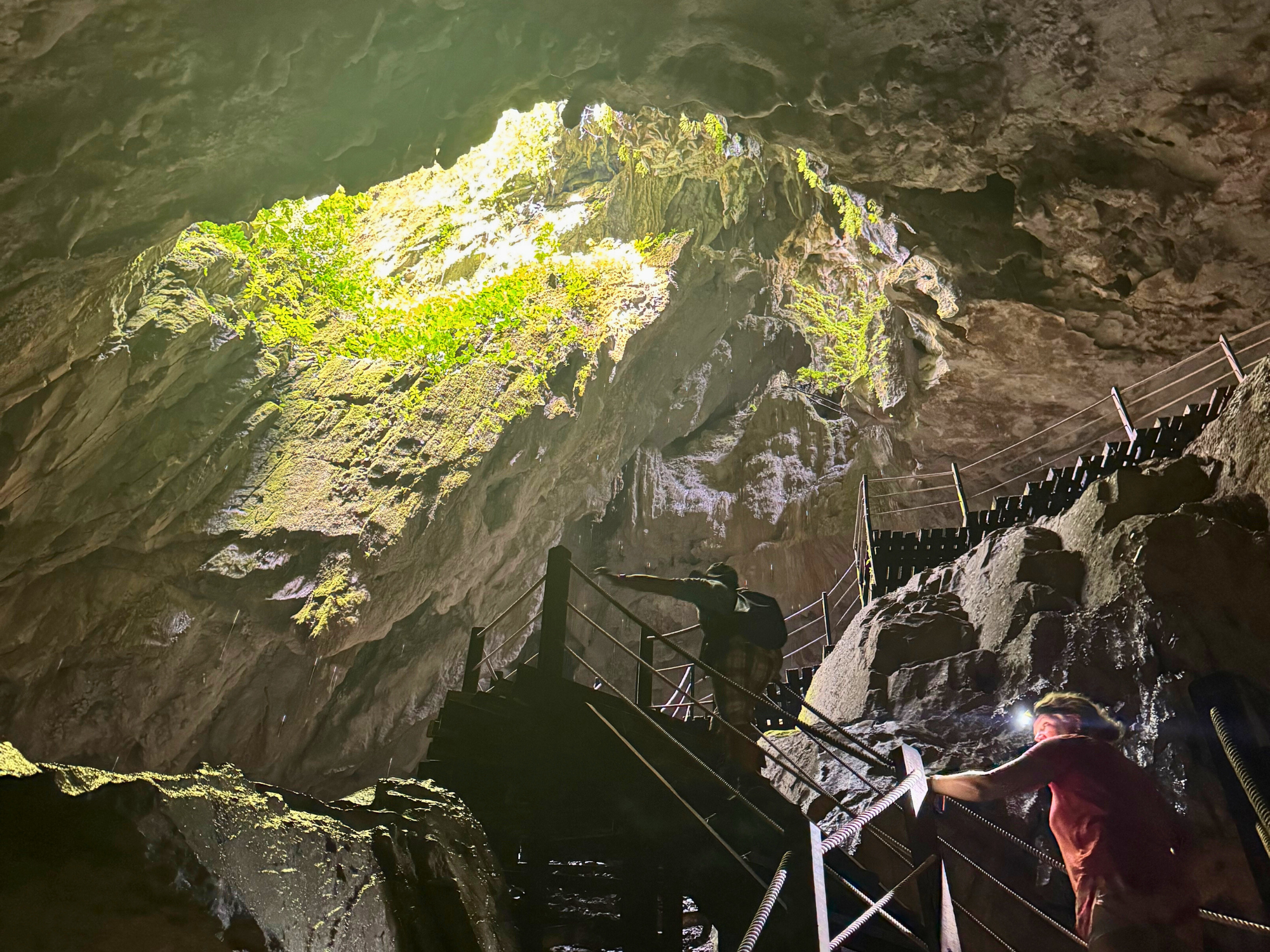
The National Park have helpfully arranged an inclined amphitheatre so you can enjoy this spectacle without straining your necks, but any photos don’t do it justice. The 3 other show caves, Clearwater, Wind & Lang are equally fascinating. Clearwater is so named because of the underground river which runs through it and exits nearby in a pool you can swim in. A treat to cool you off in the tropical heat.
The caves are still being explored but so far approximately 300km has been mapped, ranking them amongst the largest cave networks in the world.

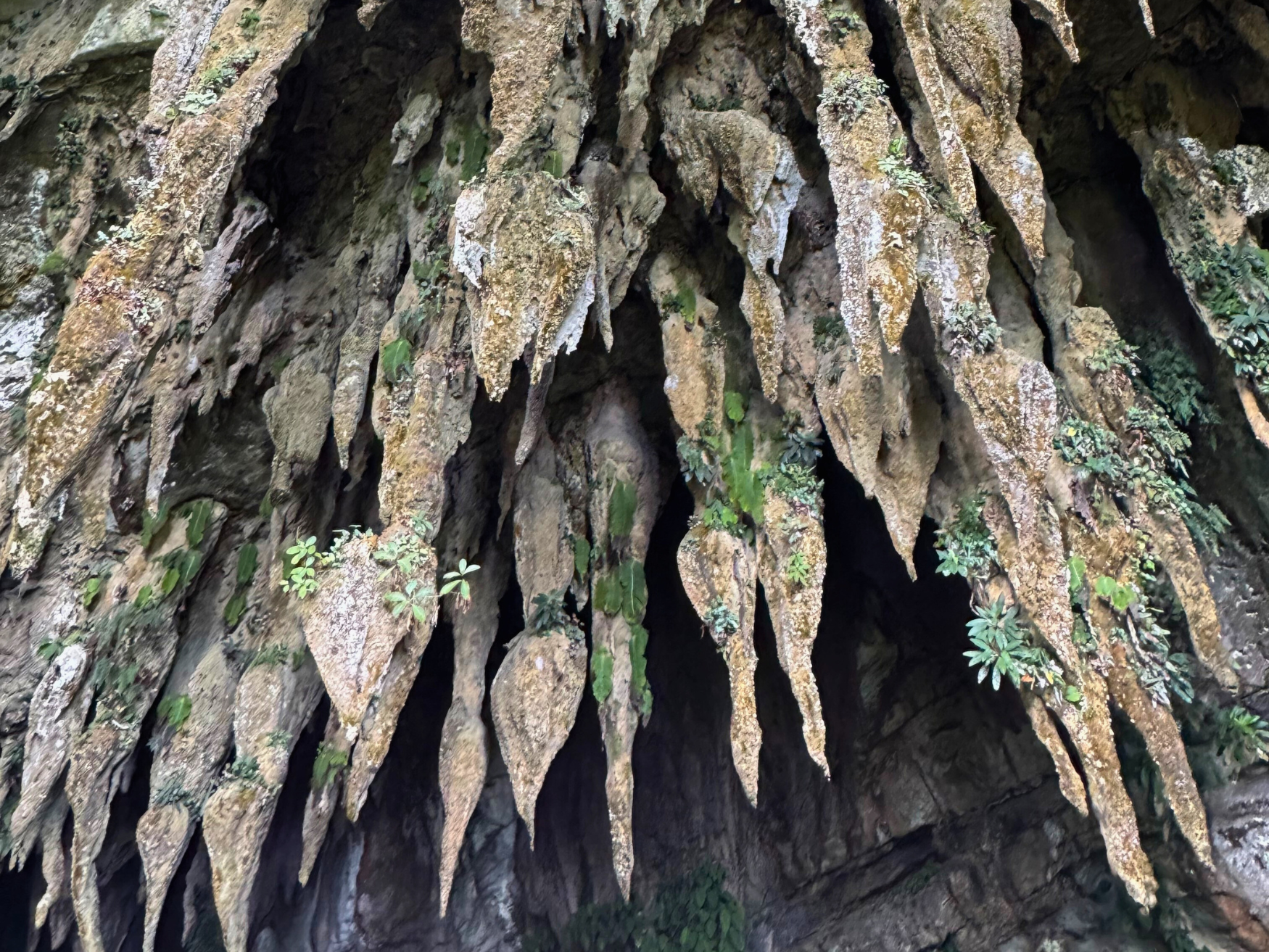

There are several other activities to keep you occupied and engaged at Mulu and alongside the guided tours and hikes, there are numerous unguided walks available. These are mostly on a boardwalk to keep you away from the forest floor and are therefore flat. You can also go kayaking, do canopy walks, adventure caving, go on boat rides to visit waterfalls and many more activities.
The accommodation within the park is relatively simple but great. The garden lodge we had was light, clean and spacious with aircon and lovely balcony with chairs around the outside.
One place certainly worth visiting is the Discovery Centre which details the history of the area and the indigenous population as well as a lot of detail about the flora, fauna and local animal life.
If you’re interested in a descent into the Mulu caves, read our related newsletter here! And if you’re eager for a Borneo excursion in general – check out our destination page where you can peruse our itineraries, read our features, or contact us directly personalise your own bespoke journey!
