
SHARE:
Cuba’s Quiet Green Revolution
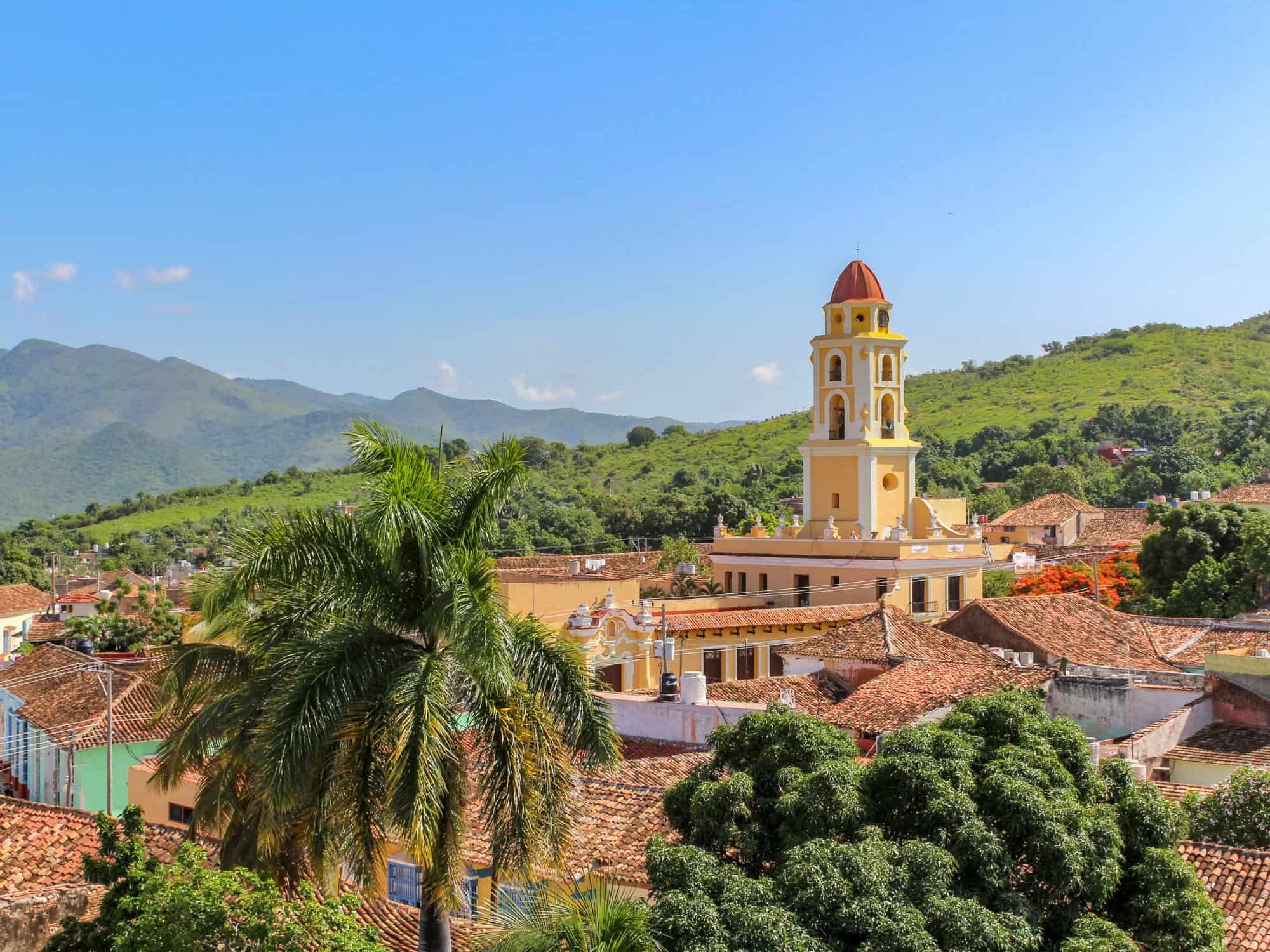
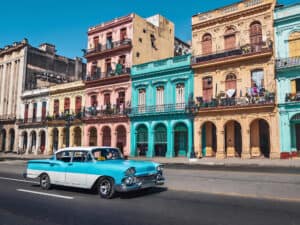
A country that exudes postcard South American charm, Cuba is famous for its colourful colonial buildings, vintage American cars and smoke-wreathed cigar enjoyers. Upon reflecting on its history, it’s easy for one’s associations to default to pop-culture iconography: Scarface, Che Guevara, and hard rum.
 Fortunately, a new path forward has been unveiled for this characterful country, and it involves shining a spotlight on its greatest asset: natural beauty. Like many regions in South America, biodiversity is high – we’ve previously covered the natural enrichment of Colombia, Costa Rica, Peru, and Ecuador – neighbours of Cuba that share its ecological wealth.
Despite its rocky political history, the country has experienced a surge in tourism over recent years. Cuba has managed to preserve most of its cultural heritage, offering a fusion of old-world charm and modern allure, and its achievement of a successful economic model – one that balances growth with ecological and environmental responsibility – renders the country a bastion of sustainability.
Despite its limited resources, the country has managed to prioritise education, healthcare, and social equity while maintaining one of the lowest ecological footprints globally – in fact, the Sustainable Development Index ranked Cuba as “the most sustainably developed country in the world”, outperforming advanced capitalist countries including Britain and the United States, and leading just ahead of Costa Rica, Albania and Venezuela – countries boasting comparatively high scores.
 Unlike the Human Development Index, the SDI justly factors in the environmental impact of a nation, propelling countries whose carbon footprint doesn’t exceed its economic growth. Countries with high development rates, such as the US, “are major contributors to climate change and other forms of ecological breakdown, which disproportionately affects the poorer countries of the global South”, states Dr Hickel, creator of the measurement.
There are many aspects to Cuba’s evolution in environmental stewardship – one of which is in direct correlation with the collapse of the Soviet Union. Having previously been its primary trading partner and source of subsidies, the dissolution of said relationship incurred an enormous obligation to attain self-sufficiency.
The Soviet Union had bolstered Cuba with industrial support – upon its reduction, factories closed, which reduced pollution. The importation of fertiliser ceased, which necessitated domestic agriculture. Renewable energy was ushered in as a substitute for industrial energy, leading to investment in solar and wind power, and tourism became a major draw, kickstarting the impetus toward preserving the island’s natural beauty.
While many of these changes were initially spurred by necessity and implemented perfunctorily, the economy and political resilience of Cuba is now significantly more robust than it was during the Soviet Union’s reign – proving that, not only does the implementation of more humanitarian and environmental practices benefit the world at large, but it also has profound effects on the upheaval of a country’s prosperity.
Having gained patent awareness of the indispensability of its natural resources, the Cuban government has, in recent years, legislated a spate of reforms which serve as a bulwark against environmental degradation – implementing new fishing laws to protect marine ecosystems (including coral reefs, sharks, and rays), the promotion of renewable energy alternatives, as well as acknowledging climate threats in its constitution.
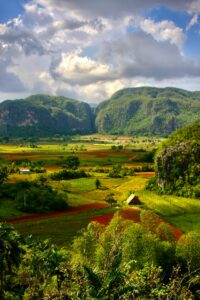
As the curtains are drawn open and dawn rises on Cuba’s nature-blessed resurgence, there are a plethora of locations that exemplify its natural splendour – Ciénaga de Zapata is a bountiful wetland, home to endemic species such as the Cuban crocodile and the Cuban solenodon, Vinales Valley is known for its iconic mogotes (limestone hills), tobacco plantations, and vibrant mural art, and ‘Gardens of the Queen’ is considered one of the most pristine coral reefs in the world.
A growing destination among our ranks with undoubted potential, if you’re interested in an enlightening trip to Cuba before it assumes a tourist mainstay, check out our destination page (with more itineraries coming soon)! Alternatively, feel free to contact us directly to curate your own adventure – either by emailing us at enquiries@odyssey-world.co.uk or calling us now (+44 117 313 7070)!
