

SHARE:
Why you should visit Kenya (visa-free) in 2024!
Kenya is a country that truly captures the heart and soul of Africa: sweeping golden savannahs showcasing some of nature’s most magnificent creatures, beautiful beaches lapped by the Indian Ocean, traditional villages with unmatched exuberance and archaeological artefacts dating back millennia – this is planet Earth at its most raw and audacious.
It was recently announced that as of January 2024, Kenya will be a visa-free country! “It shall no longer be necessary for any person, from any corner of the globe, to carry the burden of applying for a visa to come to Kenya,” stated President William Ruto on Tuesday. Ruto said Kenyan officials had developed a digital platform to ensure all visitors would receive an electronic travel authorization prior to arrival, which would eliminate the need to apply for a visa.
“Kenya has a simple message to humanity: Welcome Home!” he added.
Our Africa expert, Madri, eloquently expressed her fondness for the country, remarking: “There is no better place to see the greatness and majesty of the African elephant than the wide-open plains of the Masai Mara. The vastness is just astonishing, and everywhere you look there is another snapshot that you will never forget. And when you then see the pops of red of the Masai people, it is just such a joy of huge smiles and open hearts. Kenya is truly unique.”
So, without further ado, read on to explore the best reasons to visit Kenya in 2024!

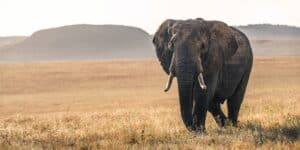
Wildlife
With a brimming selection of national parks and conservancies, Kenya’s abundant wildlife is the star of the show. Perhaps best encapsulated by the Big Five – the lion, elephant, buffalo, leopard, and rhinoceros, it remains one of the greatest countries on Earth to spot these magnificent beasts as well as many other species, equally as fascinating.
Venture into the grassy plains and swamplands of Amboseli National Park to spot gargantuan elephants silhouetted against the mighty Mt. Kilimanjaro, prepare to see a plethora of giraffes, antelopes, buffalos and zebras, and depending on how far you travel, maybe even some crocodiles!
In Samburu National Reserve, you are introduced to the “Samburu Special Five” – Somali ostriches, grevy’s zebras, reticulated giraffes, beisa oryxes and gerenuks, whereas lions reign supreme in Maasai Mara National Reserve, as well as the elusive leopard and the bullet-fast Cheetah.
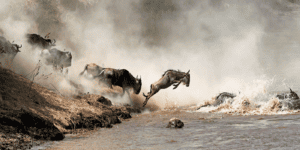
The Great Migration
Often referred to as the ‘greatest show on Earth’, the annual migration of animals in Africa is a phenomenal sight to behold! Beginning around August, the legendary trek sees millions of zebras and wildebeest make their arduous 1,800 mile exodus from the Serengeti to Masai Mara National Reserve.
With prey, come predators, and the journey is rife with danger: lions, cheetahs and crocodiles patiently hunt the moving colossus in hopes of scoring a quick dinner. The strong currents of the river, the scarcity of food and the wrath of stress, exhaustion and competition make this perilous journey a dramatic display of nature’s tenacity.
This migration is a cyclical pattern driven by seasonal changes – as the dry season approaches and the grass starts to deplete, the herds head towards the lush grasslands and ample water found in Kenya. The thunderous roar of thousands of animals crossing the river is a thrilling experience to have and serves as a reminder of the intricacy of Earth’s ecosystems.
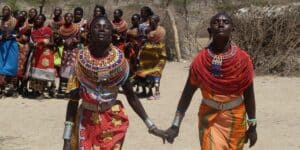
Culture
One of Kenya’s greatest draws is the Kenyans themselves – with over forty different tribal groups in the country alone – including the Kikuyu, Kamba, Somali, Meru, Mijikenda and Masai people, the diversity of its cultural variation is breathtaking. Although English is widely spoken throughout Kenya, you may hear the famous phrase “hakuna matata” used liberally, which translates to “no worries”.
The traditional attire of Kenyan culture is vibrant and elaborate, reflecting the identity of various tribes and groups – the Maasai’s colourful beadwork, the Kikuyu’s woven fabrics, or the Turkana’s beautifully adorned dresses go far in expressing the pride and camaraderie within these communities, helping preserve centuries-old traditions.
Self-expression is valued highly and music and dance pulsate through the heart of Kenyan culture. Drums, rattles and stringed instruments accompany lively performances during ceremonies and festivals, with tribes showcasing their own unique styles and musicality.
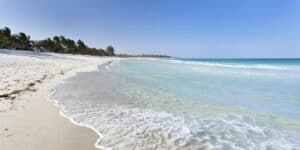
Beaches
After the thrill of an action-packed safari, taking some respite with a few days at the sea is the perfect wind-down. Kenya’s coastline and islands are picturesque – the warm, turquoise blue waters of the Indian Ocean lap the shores of long stretches of white sand beaches of Kenya
Diani Beach, resting along the Indian Ocean, is renowned for its white sands and crystal-clear waters. It’s a hotspot for water sports like kite surfing and diving. Watamu offers a blend of exceptional beaches and marine reserves, ideal for snorkelling and exploring coral reefs, visitors can also enjoy Nyali Beach near Mombasa, another popular spot, offering a vibrant atmosphere with restaurants and water activities, as well as Lamu Island’s beaches, which provide a more serene and secluded experience.
These locations offer a mix of relaxation, natural beauty and historic significance, making Kenya’s coastline a gem worth exploring.
Historical sites
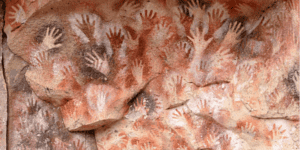
Containing some of the earliest artefacts of humanity, Kenya attracts archaeologists from all over the world eager to sift through its most significant sites. These incredible finds unveil previously unknowable features of our history.
Lake Turkana is esteemed for its significant contributions in this field, earning the moniker of ‘Cradle of Mankind’, as well as the accolade of UNESCO World Heritage Site. The Koobi Fora section of this lake has advanced the science of palaeontology by leaps and bounds, with some relics being over 3,000,000 years old!
From cave paintings that date back thousands of years in Mfangano Island, the remnants of a 12th-century Swahili town named Gede Ruins and the excavated ruins and ancient tools found at Hyrax Hill – there are countless Kenyan locations that offer a fascinating insight into the genesis of humanity.
Mombasa
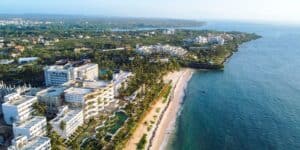
Kenya’s coastal beach city, Mombasa, blends historical significance with exceptional natural beauty. Steeped in Arabic, Swahili, Asian and European culture, its history is prominently showcased by Fort Jesus, a 16th-century Portuguese fortress and UNESCO World Heritage Site perched at the city’s heart.
Explore the architecture of the Old Town, with its narrow streets, ancient buildings, ornate doors, and bustling markets, bask in its pristine beaches such as Nyali and Diani, adorned with palm-fringed shores and crystal-clear waters and check out the nearby Kisite-Mpunguti Marine National Park, offering opportunities for snorkelling and diving amidst vibrant coral reefs.
For those interested in a Kenyan adventure, and to learn more about the introduction of visa-free travel, get in touch now – either by emailing us at enquiries@odyssey-world.co.uk or calling us directly (+44 117 313 7070)! Alternatively, you can visit our Kenyan destination page to peruse our pre-existing packages…
+in+2024!)